Recently, research groups led by Professor Peipei Tian and Professor Honglin Zhong from Institute of Blue and Green Development, Weihai Institute of Interdisciplinary Research have published their new progress focusing sustainable consumption and supply chain entitled “Mapping mangrove deforestation and blue carbon loss in global supply chains between 2000 and 2019” inOne EarthfromCell Press. Shandong University is the leading organization of this study. Doctoral student Naishun Ge and post-doctoral researcher Yu Xin from Shandong University are the co-first authors. Professor Peipei Tian from Shandong University is lead contact of the research article. Professor Honglin Zhong from Shandong University and Associate Professor Kuishuang Feng from University of Maryland are the co-corresponding authors. Other authors include Professor Zengkai Zhang from Xiamen University,
Mangroves are vital blue carbon ecosystems storing large amounts of carbon, but they are rapidly declining due to deforestation and land-use conversion by humans. However, although we know land conversion is the primary driver of mangrove loss, the specific economic activities, associated products, and source of demand remain unclear, preventing effective product-centric mitigation strategies.
To fill these knowledge gaps, the research team calculated mangrove deforestation area and associated carbon losses from 10 industries including shrimp aquaculture, forestry, mining and construction between 2000 and 2019 by integrating high land-use maps, mangrove change map and carbon sink dataset. Then the team built the nexus between local mangrove carbon loss and global consumption by integrating production activities and GLORIA database, identifying final consumer driving mangrove carbon loss.
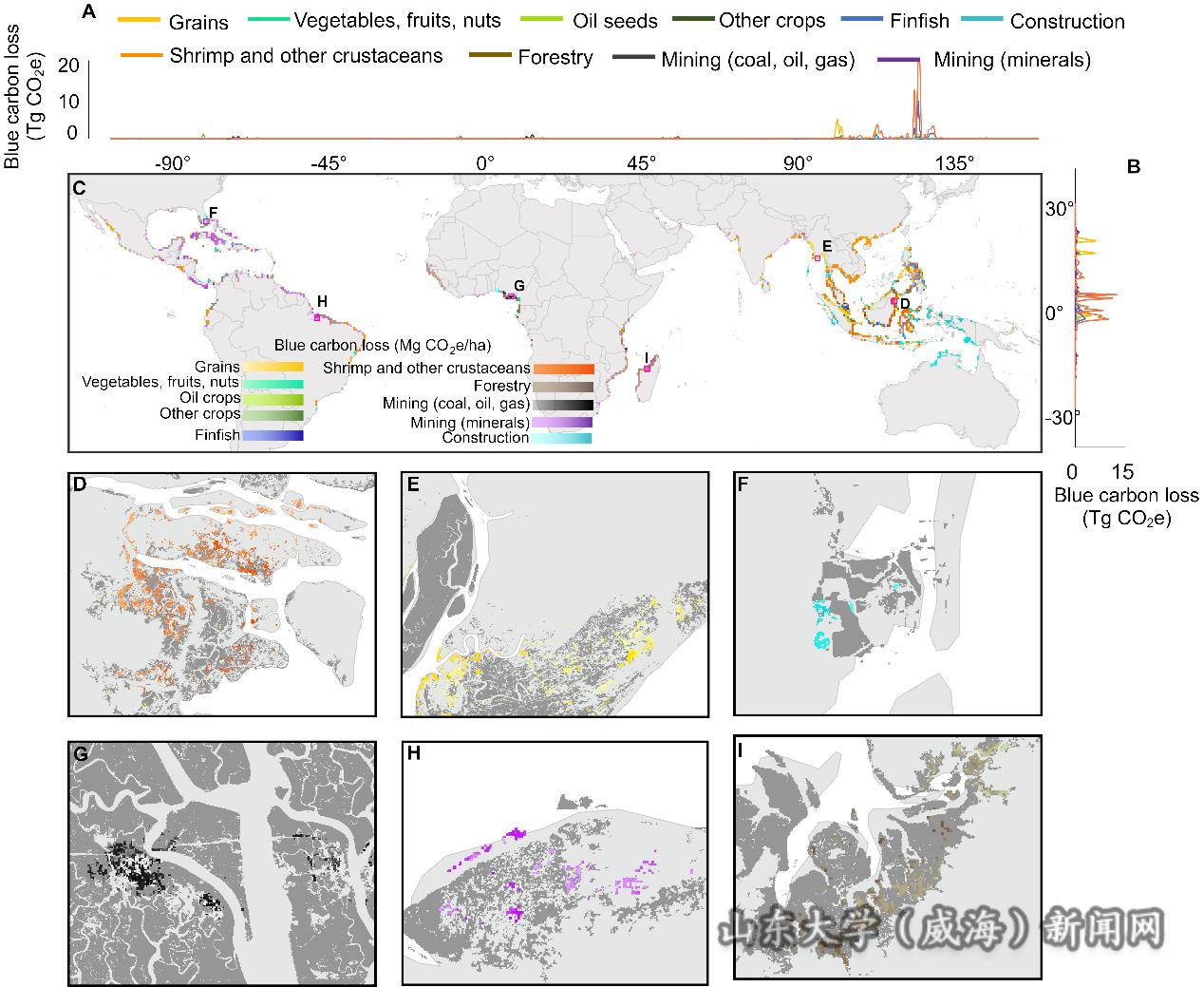
Figure 1. Total amount, causes and intensities of global mangrove carbon loss.
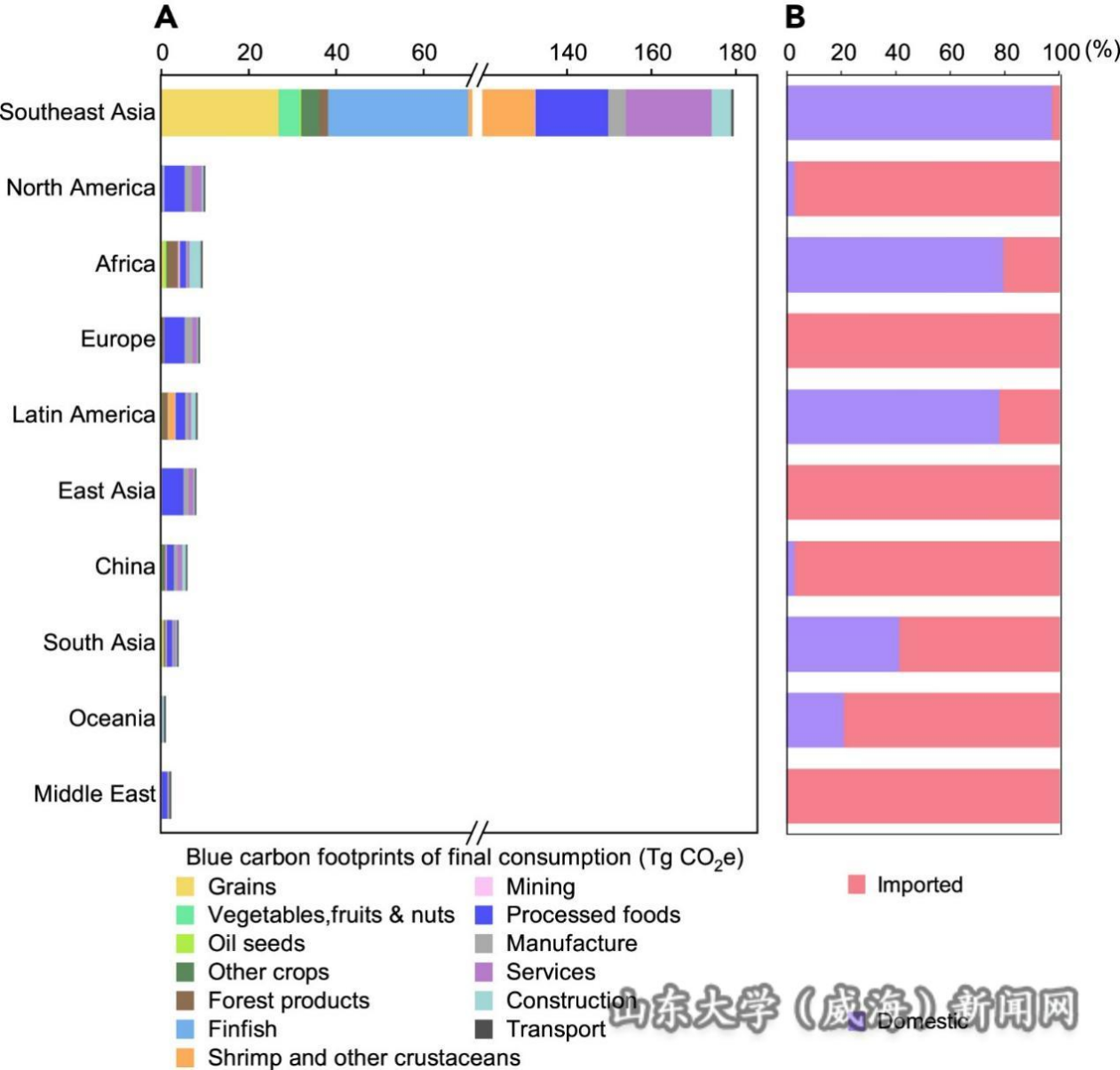
Figure 2. Amount and sources of global consumer’s mangrove blue carbon footprints.
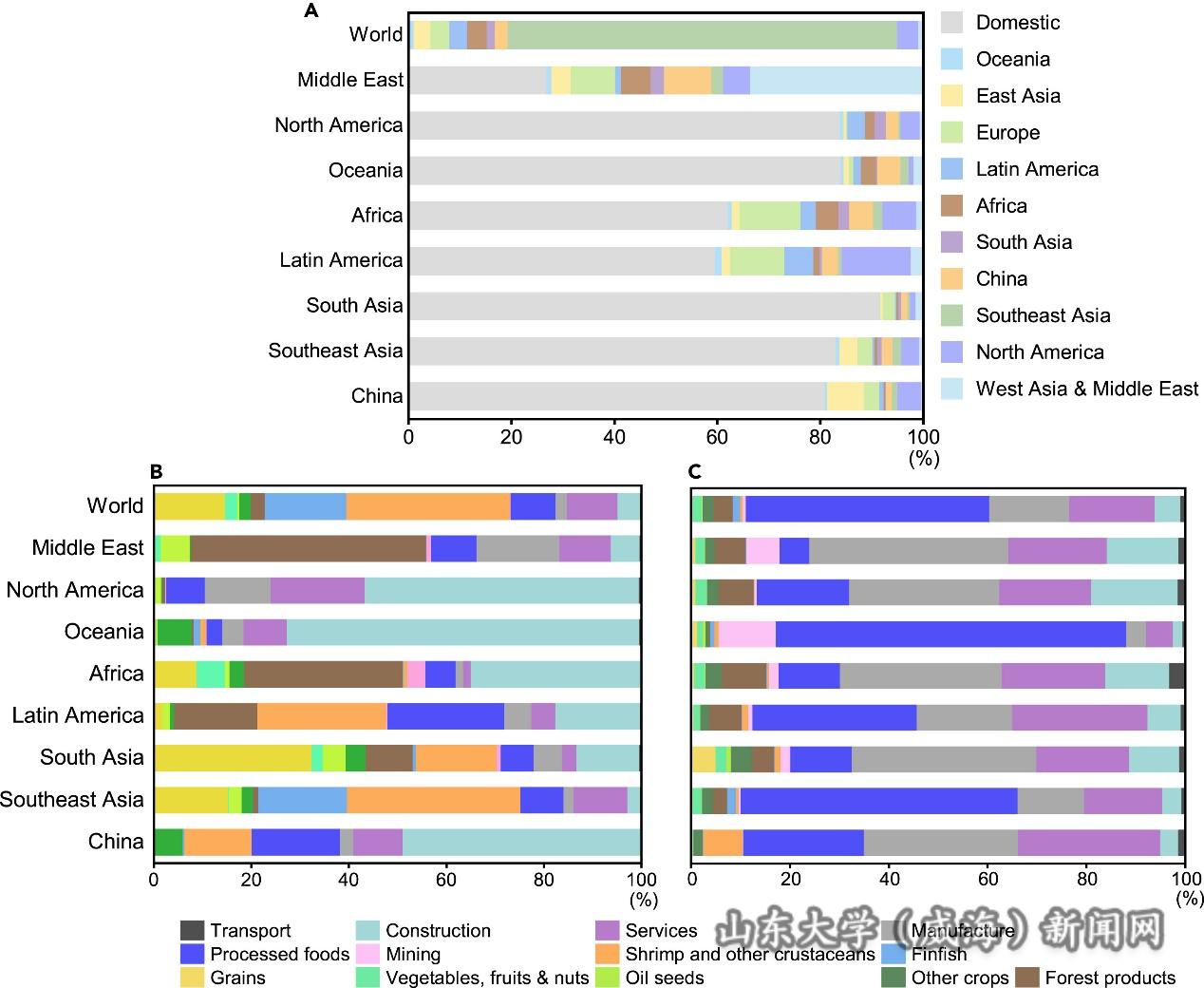
Figure 3. Contribution of global (A), domestic (B) and foreign (C) consumers to global and local mangrove loss.
Results of research indicates that human activities caused 236Tg CO2e of blue carbon losses due to mangrove deforestation. In Southeast Asia, aquaculture and crop cultivation are major causes of mangrove loss, while forestry and mining are key drivers of mangrove loss in Africa and Latin America (Figure 1). About 70% of loss of mangrove blue carbon is caused by consumption of Southeast Asia, while 19% of mangrove blue carbon footprints are embodied in imports of high-income regions, such as North America and Europe, from developing countries (Figure 2). The research also found that while domestic blue carbon loss footprints are embodied in mainly primary products, the majority of blue carbon loss induced by international trade are embodied in downstream products consumption. This research provided key support to enhancing sustainable supply chain management in order to make comprehensive and effective mangrove conservation strategies.
This work was supported by the National Key Research and Development Program of China (2022YFC3105304), the National Natural Science Foundation of China (72303136, 72174111), and The Shandong Natural Science Foundation of China (ZR2021MG013, ZR2023QG002).
Full text address:https://doi.org/10.1016/j.oneear.2025.101357


 Address: No. 180 Wenhua West Road, Weihai City, Shandong Province, China
 Tel:+86-0631-5688246
 Email: whqyy@sdu.edu.cn

