The 2024 Cambridge Sustainability Forum (2024 CSF) was successfully held at the University of Cambridge from June 24 to 25, 2024. Jointly hosted by Weihai Institute for Interdisciplinary Research of Shandong University and the Department of Land Economy of the University of Cambridge, the forum was co-organized by Churchill College of the University of Cambridge, the Centre for Sustainable and Resilient Development, the Chinese Students and Scholars Association (CSSA) of the University of Cambridge, and the CFCC Cambridge Research Institute. Over 100 experts and scholars from renowned universities and research institutions at home and abroad participated in the forum, including the University of Cambridge (UK), University College London (UK), University of Birmingham (UK), University of Sussex (UK), Cranfield University (UK), Stanford University (USA), Nagoya University (Japan), Tsinghua University (China), Renmin University of China, Shandong University (China), Sun Yat-sen University (China), The University of Hong Kong (China), The Hong Kong Polytechnic University (China), University of Chinese Academy of Social Sciences (China), and the Institute of Geographic Sciences and Natural Resources Research of the Chinese Academy of Sciences (China). They jointly discussed new challenges, new topics, new opportunities, and new achievements in global sustainable development.

Professor Zhang Ning, Vice Dean of the Weihai Institute for Interdisciplinary Research of Shandong University, presided over the opening ceremony. Professor Andreas Kontoleon, Research Director of the Department of Land Economy at the University of Cambridge, and Professor David Newbery, Fellow of Churchill College at the University of Cambridge, attended the opening ceremony and delivered speeches. Professor Andreas Kontoleon stated that this conference is jointly held by the Frontier Interdisciplinary Science Research Institute of Shandong University (Weihai) and the Department of Land Economy of the University of Cambridge, and it marks the beginning of a series of long-term cooperation in the future. Interdisciplinary research and cooperation can provide researchers with complementary professional knowledge and offer new perspectives for understanding the behaviors of individuals and governments. In his speech, Professor David Newbery first welcomed all the participants, then introduced the founding background and history of Churchill College, University of Cambridge. He noted that Churchill College mainly focuses on science, engineering, and technology, but also has a strong interest in arts and humanities. As one of the largest colleges of the University of Cambridge, Churchill College has achieved remarkable results in academic research and is well-known for its strong commitment to diversity and inclusiveness. Additionally, as one of the first three colleges of the University of Cambridge to admit female students, Churchill College has played an important role in promoting gender equality and social diversity.
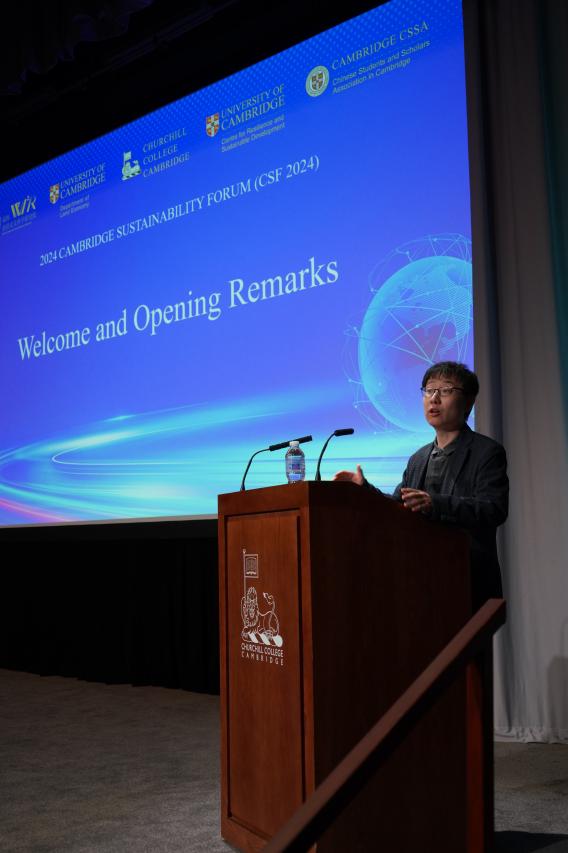
Host: Zhang Ning
Speakers at Opening Ceremony: David Newbery Speakers at Opening Ceremony: Andreas Kontoleon
The conference invited Professor David Newbery (Emeritus Professor of the University of Cambridge), Professor Peter Tyler (Professor of the Department of Land Economy, University of Cambridge), Professor D'Maris Coffman (Professor of the Bartlett School of Sustainable Construction, University College London), Professor He Guojun (Professor of the School of Economics and Management, University of Hong Kong), Professor Robert Elliott (Professor of the Business School, University of Birmingham, UK), Professor Richard S.J. Tol (Professor of the Department of Economics, University of Sussex, UK), Professor Lu Xi (Professor of the School of Environment, Tsinghua University), Professor Xue Jinjun (Professor of the School of Economics, Nagoya University, Japan), Professor Mi Zhifu (Professor of the Bartlett School of Sustainable Construction, University College London), and Dr. Xia Yang (Editor of Nature) to deliver keynote speeches at the conference.
In his report titled Navigating the Future: The UK’s Electricity Market Reform for a Decarbonised Sector, Professor David Newbery discussed the necessity and suggestions for the UK government's electricity market reform, and systematically expounded on the problems and obstacles in realizing decarbonization in the UK's electricity industry. Professor Newbery pointed out that the current structure of the electricity market needs crucial reforms to ensure the sustainability and environmental friendliness of future electricity supply. He emphasized that the economic efficiency and environmental sustainability of the electricity system should be ensured by optimizing market design and policies, reducing capital costs, improving market responsiveness, and implementing effective location-based pricing and contract mechanisms.
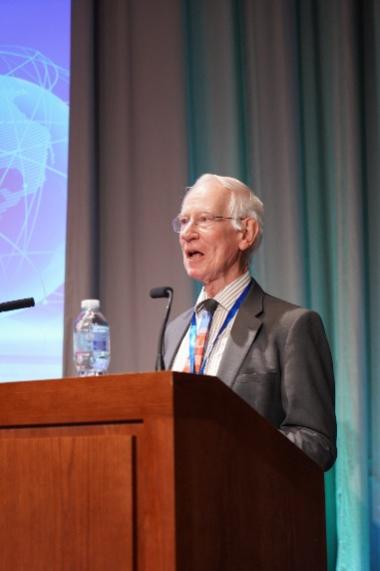
Keynote Speaker: David Newbery
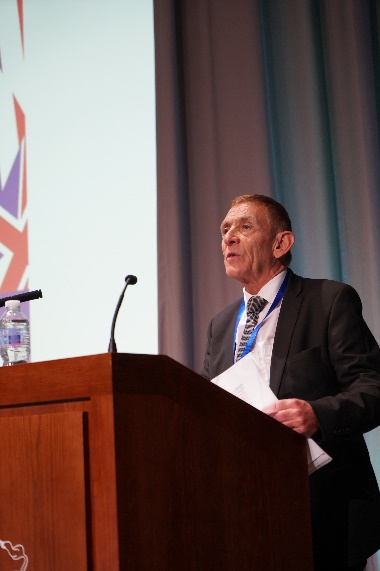
Keynote Speaker: Peter Tyler
Professor Peter Tyler shared a report titled Building an Innovation Orientated Entrepreneurial Ecosystem: The Cambridge Experience. In his report, he mainly took Cambridge as an example to explore how to build an innovation-oriented entrepreneurial ecosystem. He emphasized the importance of urban development as an engine for economic growth; the impact of urban transformation and innovation during Cambridge's industrialization and deindustrialization processes on urban competitiveness; and how Cambridge has established a strong regional innovation system through close cooperation among universities, industries, the government, and charitable foundations, thereby promoting the innovation and growth of enterprises in the technology field. Professor Tyler's sharing provided valuable reference for other regions to build a strong entrepreneurial ecosystem.
In her report titled A Re-appraisal of Albert Aftalion’s Theory of Structural Transformation in an Era of Decarbonization, Professor D'Maris Coffman re-evaluated Albert Aftalion's theory of structural transformation and explored its applicability in the current era of decarbonization. In her report, she also proposed a new method that combines integrated assessment models and input-output models to fully consider inter-industry dependencies. Based on Chinese data, she designed different energy transition scenarios to evaluate the impact of strategies on energy and carbon emission targets. The conclusion points out that inter-industry dependencies make the current energy and industrial structures more challenging, carbon emissions are underestimated, and carbon capture and storage (CCS) brings significant benefits. At the same time, she compared the historical and future industrial structures and pointed out that the strategies applicable to large cities are not suitable for small and medium-sized cities.
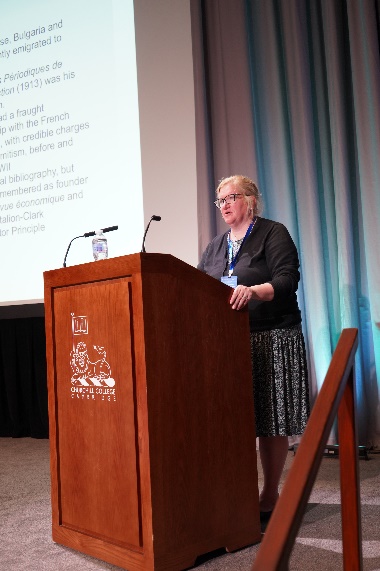
Keynote Speaker: D'Maris Coffman
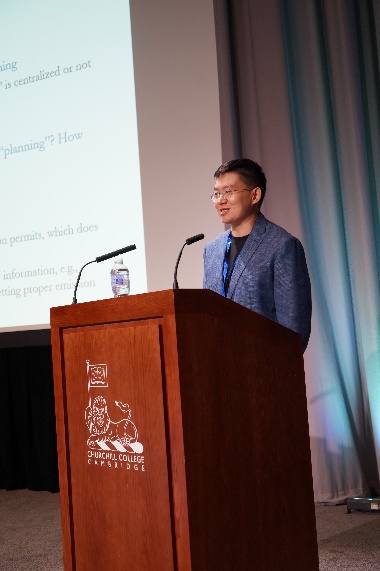
Keynote Speaker: He Guojun
In his report titled Market vs. Planning: Emission Abatement under Incomplete Information and with Local Externalities, Professor He Guojun compared the environmental emission reduction effects and welfare effects of the two systems: market and planning. He pointed out that the market mechanism can solve the problem of incomplete information about emission reduction costs but cannot handle the issue of local externalities, while planning has certain advantages in this aspect. This constitutes a trade-off in policy design. Regarding China's carbon emission reduction, he found that although the national carbon market can achieve slightly better welfare results than a well-designed national emission reduction plan, the combination of the two schemes achieves the best effect. Planning is applicable to regions with the most incomplete information, while other regions are divided into a limited number of local carbon markets according to local emission reduction externalities.
In his report titled Centralizing the enforcement of environmental regulations: Using machine learning to aid policy evaluation in China, Professor Robert Elliott mainly evaluated the effect of the Central Environmental Inspection Program (CEIP) on improving air quality by combining machine learning and enhanced synthetic control methods. He pointed out that although the CEIP significantly reduced pollutant emissions in the short term, the level of these pollutants returned to the normal level after approximately three months. In addition, he also pointed out that the traditional difference-in-differences model may overestimate the policy effect, while the machine learning method can more accurately control meteorological conditions and provide more precise causal policy evaluation.
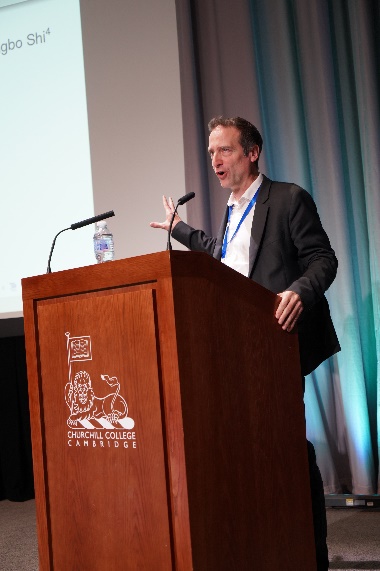
Keynote Speaker: Robert Elliott
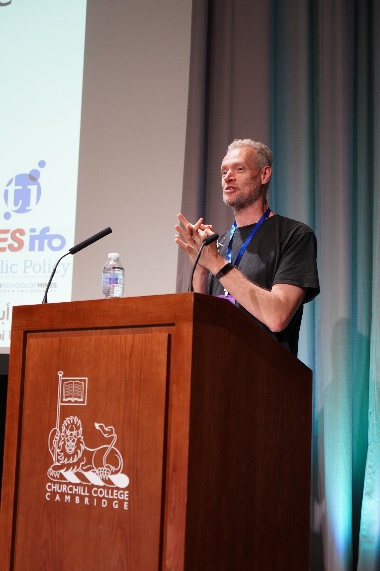
Keynote Speaker: Richard S.J. Tol
In his speech, Professor Richard S.J. Tol explored issues related to The Social Cost of Carbon with Chinese Characteristics. He first conducted a meta-analysis of the Social Cost of Carbon (SCC), pointing out that the current literature is mainly dominated by Western scholars, and emphasized the necessity of evaluating the SCC from a global perspective. Professor Tol conducted an in-depth analysis of the core concept of the SCC and revealed the reasons why poorer countries are more vulnerable to climate change through income forecast analysis. When discussing the differences in SCC among different countries, he explored factors such as time preference and risk aversion, pointing out that China tends to have a lower SCC compared with the United States. This finding provides a new basis for formulating emission reduction policies with a more global perspective.
At the conference, Professor Lu Xi delivered a speech titled Challenges and system solutions for large-scale deployment of renewable energy in the context of carbon neutrality, exploring the challenges and systematic solutions for large-scale deployment of renewable energy in the context of achieving the goal of carbon neutrality. His report pointed out the problems faced by the development of renewable energy, such as uneven distribution of resources, security of the power system, and balance between supply and demand. In his report, he also proposed corresponding solutions, including the complementarity of cross-regional wind power and solar energy, the potential of economic power grid penetration, measures on both the supply and demand sides, and the synergistic effect with transportation, chemical industry, and carbon capture and storage (CCS). He also emphasized the importance of high-quality research, news reports, and accurate information in achieving the goal of carbon neutrality.
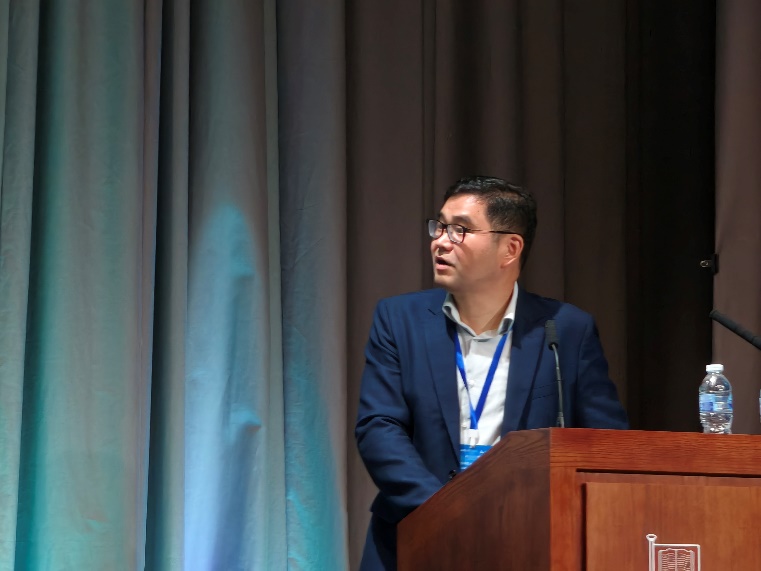
Keynote Speaker: Lu Xi
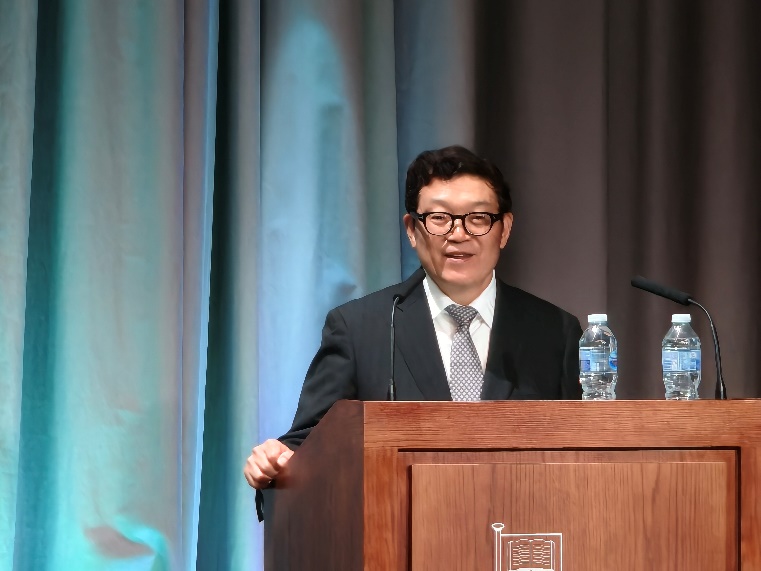
Keynote Speaker: Xue Jinjun
At the conference, Professor Xue Jinjun delivered a report on the theme of Understanding China’s New Quality Productive Forces. In the report, he reviewed the history of China's economic development, discussed the sustainability of China's economic growth, and proposed an economic model of new quality productive forces, emphasizing the importance of science and technology, education, innovation, and green development in promoting high-quality economic growth. In addition, he also discussed the challenges faced by China in achieving the goal of carbon neutrality and the key role of technological innovation in energy transition and emission reduction. Finally, Professor Xue called on economists to innovate economic theories to adapt to and guide the development of new quality productive forces.
In his report titled The global mismatch between equitable carbon dioxide removal liability and capacity, Professor Mi Zhifu explored the imbalance between global carbon dioxide removal (CDR) liability and capacity. He pointed out that the CDR allocated based on the principle of equity often exceeds the land and geological storage capacity of countries. Approximately 15% of countries will not have sufficient land resources to bear their fair share of global CDR, while about 40% of countries will lack sufficient geological storage capacity. In his report, he proposed a CDR liability allocation scheme based on national cost-benefit endowments and emphasized the necessity of developing diversified CDR technologies and mechanisms to promote the fair international allocation of CDR.
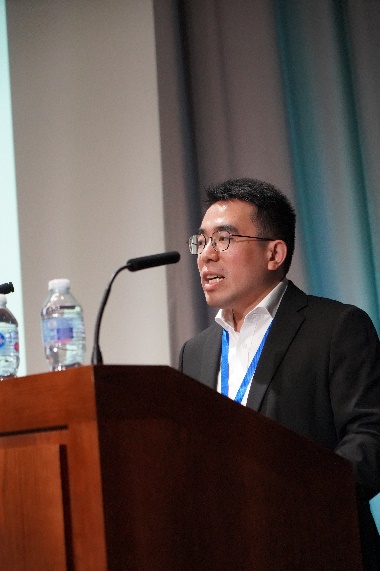
Keynote Speaker: Mi Zhifu
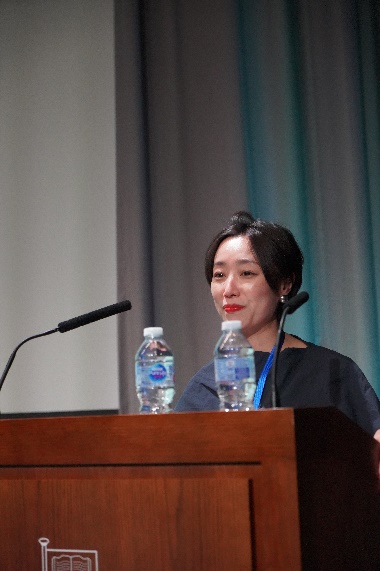
Keynote Speaker: Xia Yang
At the conference, Dr. Xia Yang delivered a speech titled Decoding the Publication in Top Journals. He deeply analyzed the process of publishing papers in top journals such as Nature, ranging from understanding the structure and goals of journals to writing attractive papers. He shared the key elements that can attract journal editors and how to enhance the rigor and rationality of arguments. In addition, Dr. Xia Yang also introduced the details of paper submission, review, and post-submission, including how to write an effective cover letter, respond to reviewers' comments, and handle various situations after submission. His sharing provided valuable experience for the participants and helped researchers better publish their research results in top journals.
The conference also held a meeting with chief editors of academic journals. Dr. Xia Yang (Editor of Nature), He Guojun (Chief Editor of JEEM), Robert Elliott (Chief Editor of Environmental and Resource Economics), Richard S.J. Tol (Chief Editor of Energy Economics), D'Maris Coffman (Chief Editor of Structural Change and Economic Dynamics), Mi Zhifu (Chief Editor of Journal of Cleaner Production), Lu Xi (Chief Editor of Energy Strategy Reviews), and Xuanheng Zhu (Chief Editor of Next Energy) answered questions about paper submission that young scholars are concerned about and shared their respective experiences and suggestions. The chief editors gave many constructive opinions on the process from paper submission to acceptance, the details of editors' judgment on whether to reject manuscripts, and the innovation of research topics.
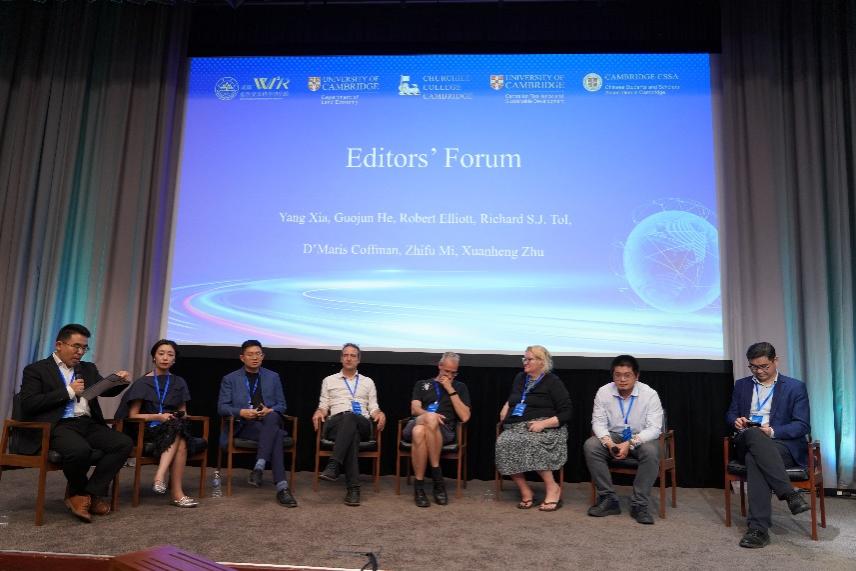
Meeting with Chief Editors of Academic Journals
The forum received more than 200 paper submissions. After expert review, 50 papers were accepted, and 45 of them were presented orally at 8 parallel forums. The topics of the parallel forum presentations covered climate change, green development, sustainable development, innovative industries, policy evaluation, air pollution, energy and ecology, agricultural development, and other fields. A paper award ceremony was held at the closing ceremony of the forum on the afternoon of the 25th. The CSF Paper Evaluation Committee selected 2 outstanding conference papers in each of the faculty group and student group.
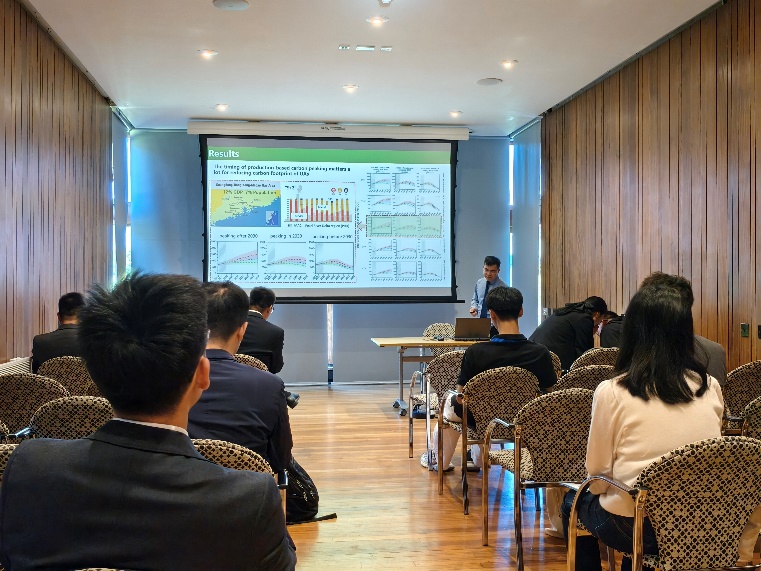
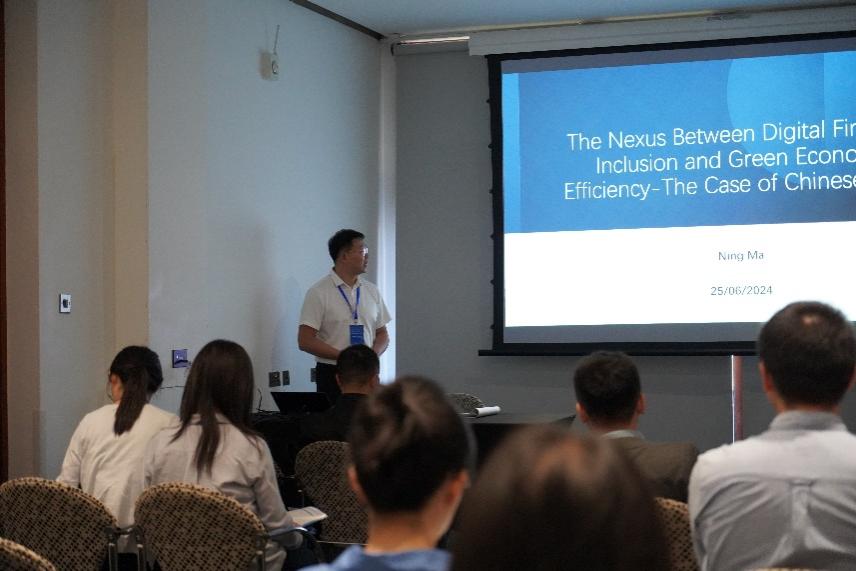
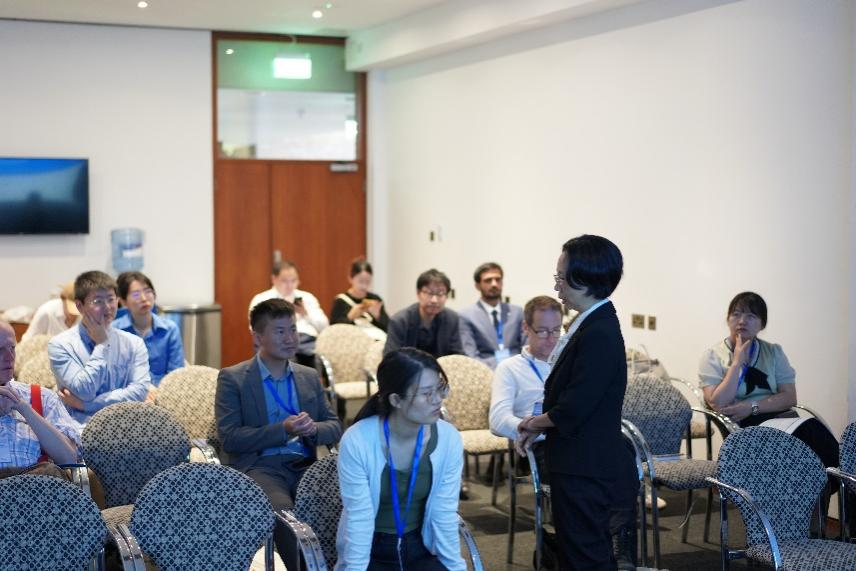
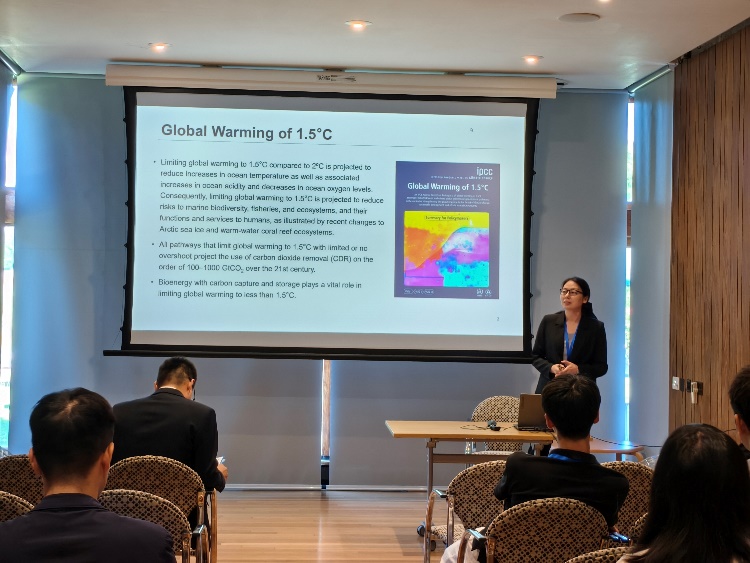
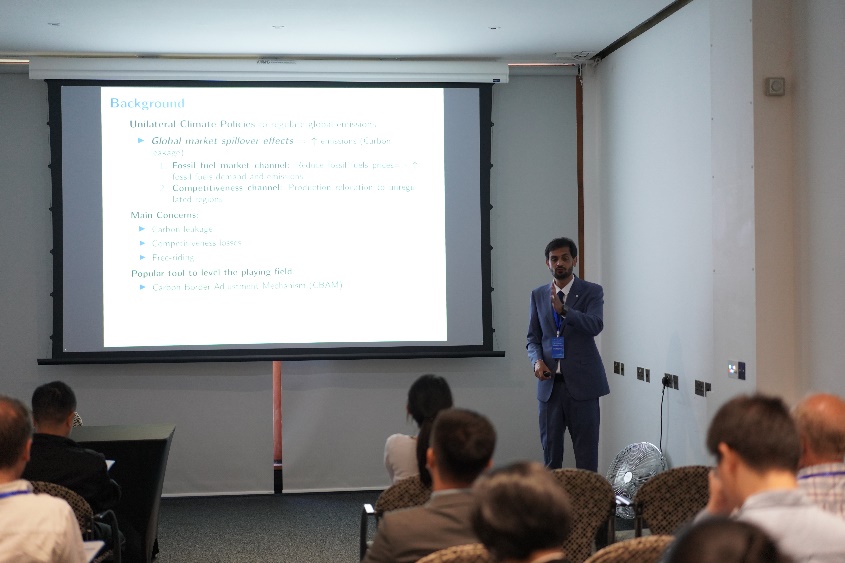
Parallel Forums
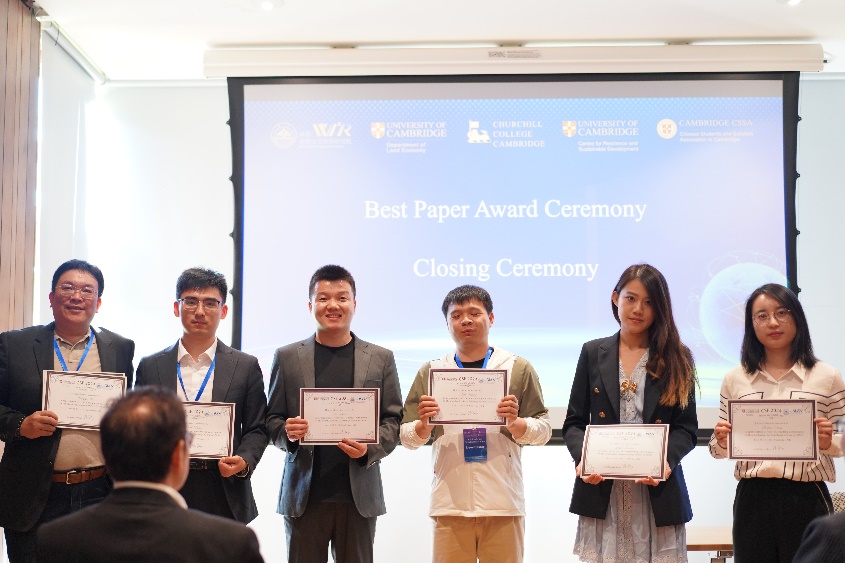
Paper Award Ceremony and Volunteer Recognition
In addition to the rich academic events, the forum also organized participants to conduct a research visit at the University of Cambridge. Participants had the opportunity to visit various historical buildings, libraries, and research institutions of this world-renowned university, and personally experience the unique academic atmosphere and cultural heritage of Cambridge. Led by the conference volunteer team composed of students from Shandong University and the University of Cambridge, everyone visited places such as King’s College Chapel, the University of Cambridge Library, and the Cambridge Science Park, gaining an in-depth understanding of the outstanding contributions of the University of Cambridge in scientific research and innovation.
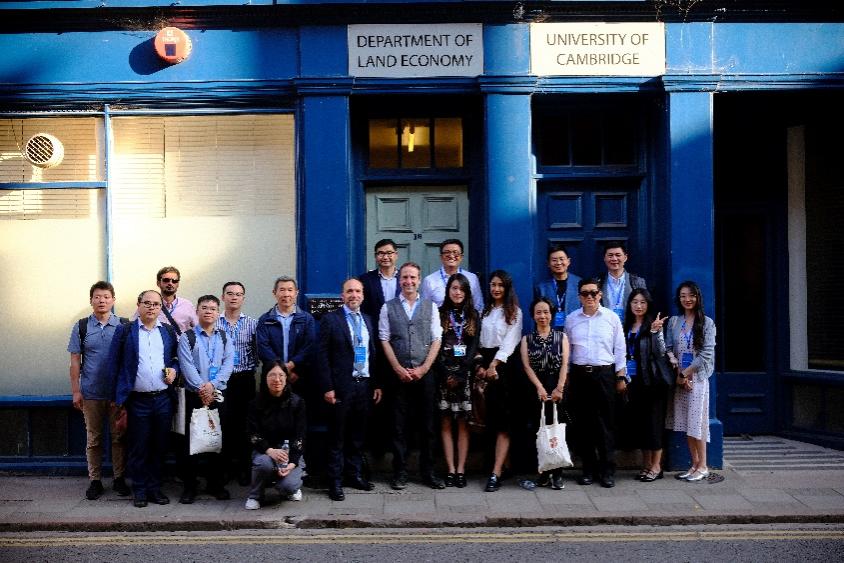
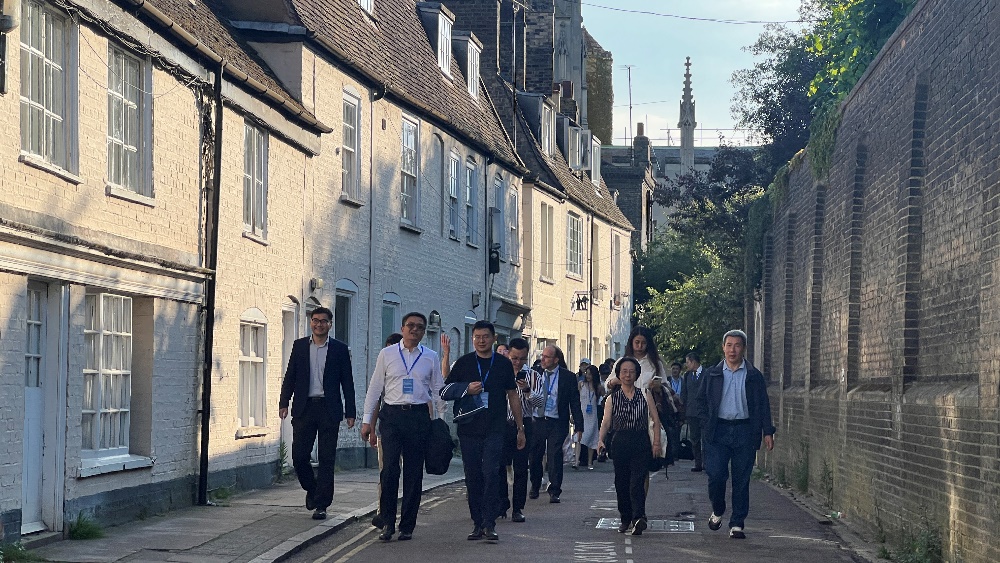
Research Visit to the University of Cambridge


 Address: No. 180 Wenhua West Road, Weihai City, Shandong Province, China
 Tel:+86-0631-5688246
 Email: whqyy@sdu.edu.cn

