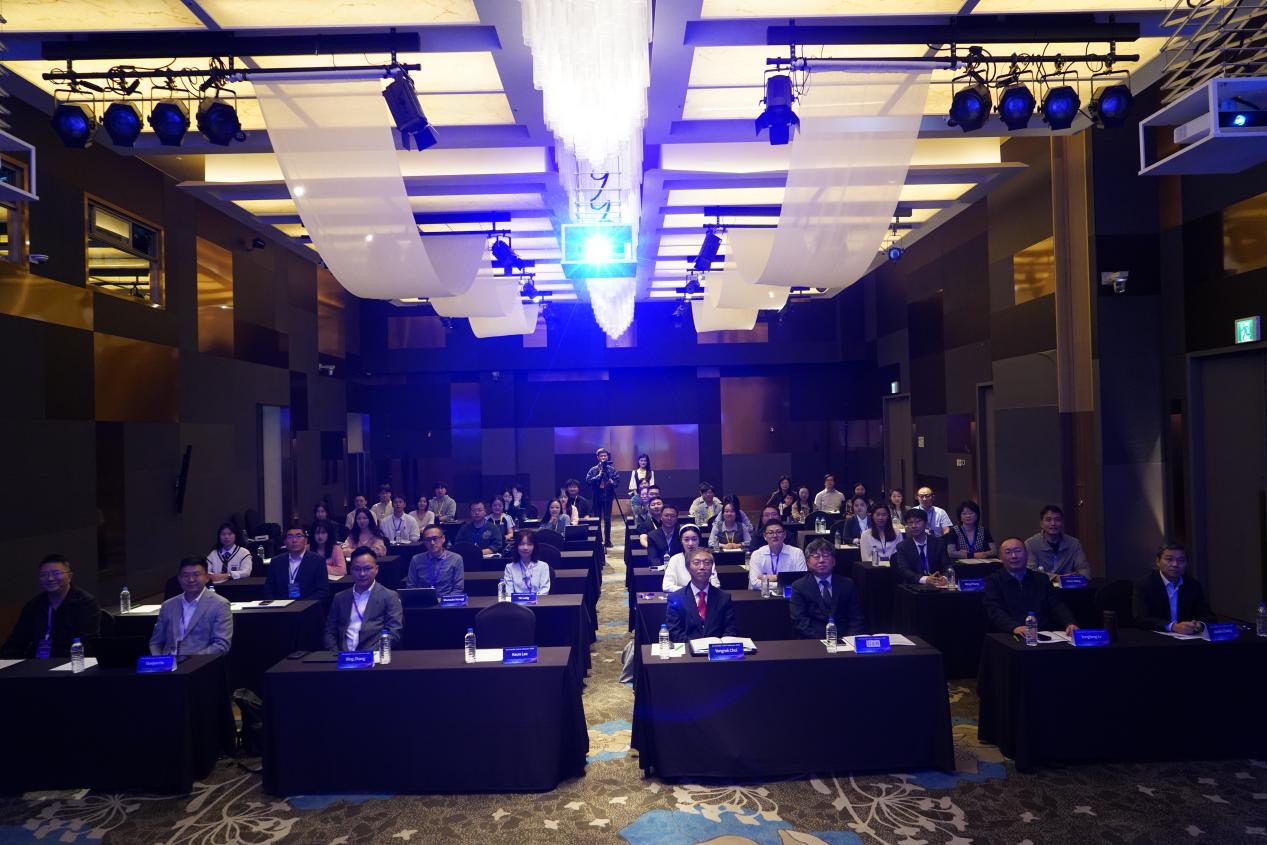
From October 1 to 5, 2024, the 2024 Asia Sustainable Development Forum (Sustainable Asia Conference 2024) was held in Incheon, South Korea. Co-hosted by the Blue and Green Development Research Institute of Shandong University and the East Asian Environmental Research Center of Inha University (South Korea), the conference was co-organized by the China-South Korea Multicultural Exchange Association, George Mason University Korea Campus, and Ghent University Global Campus. With the theme "New Models of Sustainable Development in Asia: The Role of New-Quality Productive Forces", the conference brought together experts and scholars from around the world to discuss the latest challenges, opportunities, and cutting-edge achievements in the field of sustainable development in the Asian region.
Opening Ceremony
Professor Zhang Ning, Dean of the Blue and Green Development Research Institute of Shandong University, presided over the opening ceremony and extended a warm welcome to the renowned scholars in attendance. Vice President Kim Woonghoe of Inha University and Professor Choi Yongrok, Director of the East Asian Environmental Research Center of Inha University, delivered speeches respectively. Vice President Kim Woonghoe stated that this conference is held on the 10th anniversary of the Asia Sustainable Development Forum, making the gathering of participants here of extraordinary significance. At the same time, this conference also marks a new stage in the in-depth cooperation in the field of sustainable development in Asia. Professor Choi Yongrok welcomed friends from all over the world to discuss issues and conduct academic exchanges, expressed gratitude and recognition for Professor Zhang Ning’s hard work, and finally wished the conference a complete success.

Host of the Opening Ceremony: Zhang Ning
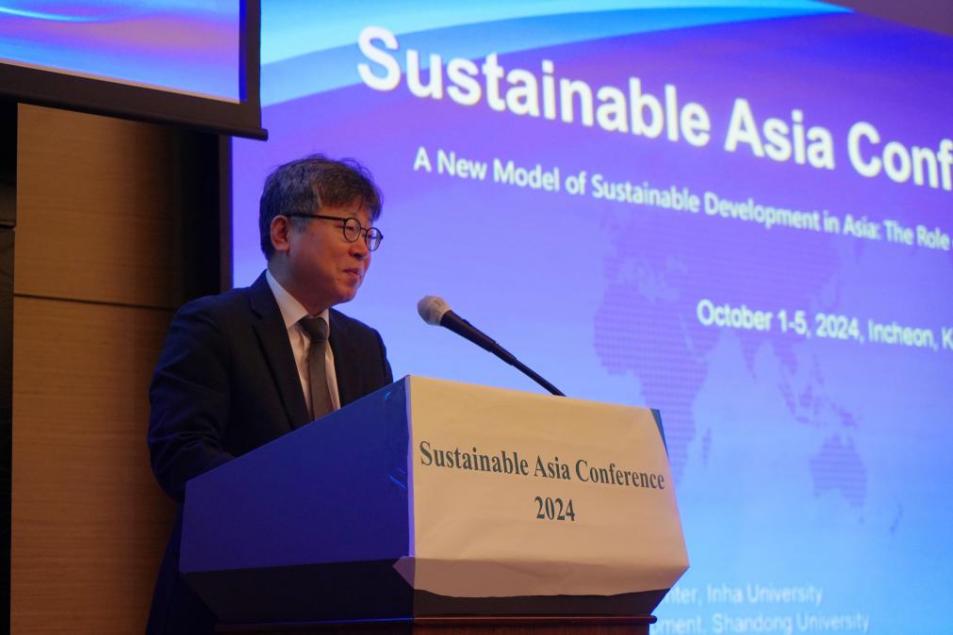
Speaker at the Opening Ceremony: Kim Woonghoe
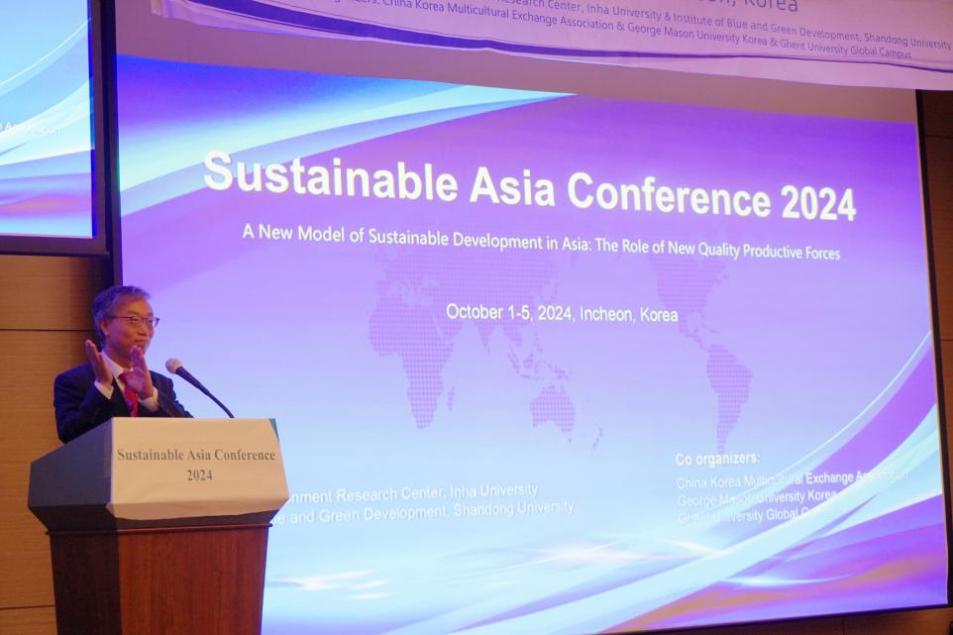
Speaker at the Opening Ceremony: Choi Yongrok
Keynote Speeches
The conference invited a number of renowned scholars to deliver keynote speeches. Professor Lyu Yonglong from Xiamen University focused on the necessity of sustainable development paths, put forward important topics such as the transformation from coupling to decoupling, narrowing urban-rural and regional gaps, and reducing social inequality. He also looked forward to future sustainable development scenarios and emphasized the key role of integrated land-sea development.
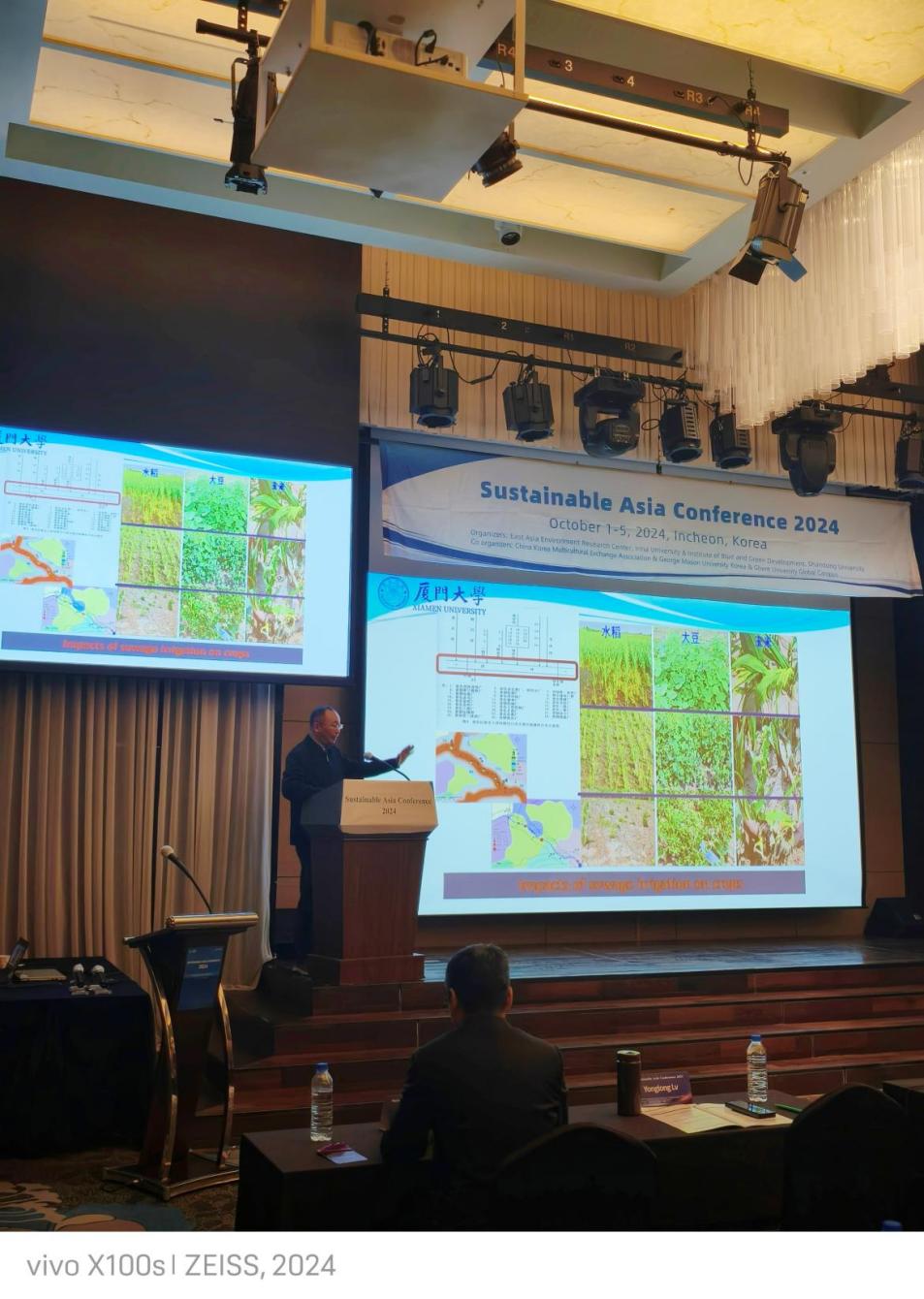
Keynote Speaker: Lyu Yonglong
Professor Keun Lee from Seoul National University presented a research report on global Regional Innovation Systems (RIS) and the catch-up of late-developing countries. The report focused on the diversity of regional innovation systems, the concept of National Innovation Systems (NIS), different levels of innovation systems (macro, sectoral, regional, and enterprise-level), and strategies for late-developing countries to achieve economic growth through the integration of local knowledge and external knowledge. Professor Keun Lee specifically pointed out that the accumulation of local knowledge is the foundation for innovation and long-term economic development, and suggested developing local large enterprises to promote independent knowledge creation. This research also provides a possible path for late-developing countries to achieve technological catch-up in global competition.
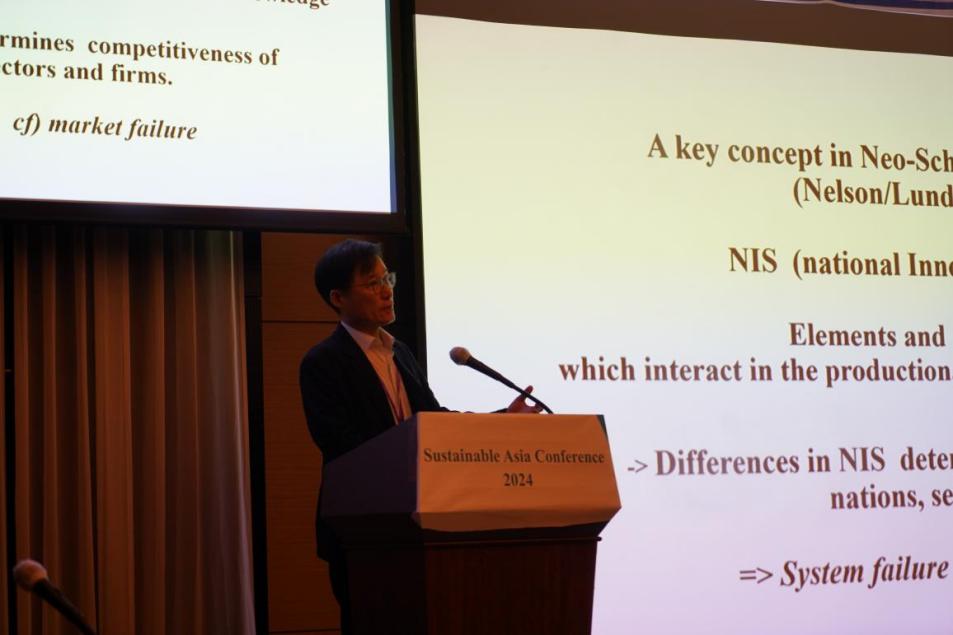
Keynote Speaker: Keun Lee
Professor Zhang Junjie from Duke University shared his research paper titled The Impact of Climate Change on Rural Credit Risks, which conducted an in-depth analysis of how climate change affects the rural financial system and explored the response strategies of financial institutions in agricultural risk management. This research has important practical significance, especially against the backdrop of intensifying global climate change, as it provides a theoretical basis and practical guidance for addressing financial risks faced by rural areas. It is of great significance for coping with the potential impact of climate change on the rural financial system and enhancing the ability of financial institutions to manage agricultural risks. At the same time, it also provides new ideas for policymakers, financial institutions, and agricultural practitioners, helping to enhance the resilience of the rural economy under the impact of climate change and offering valuable references for global financial practices in addressing climate change.
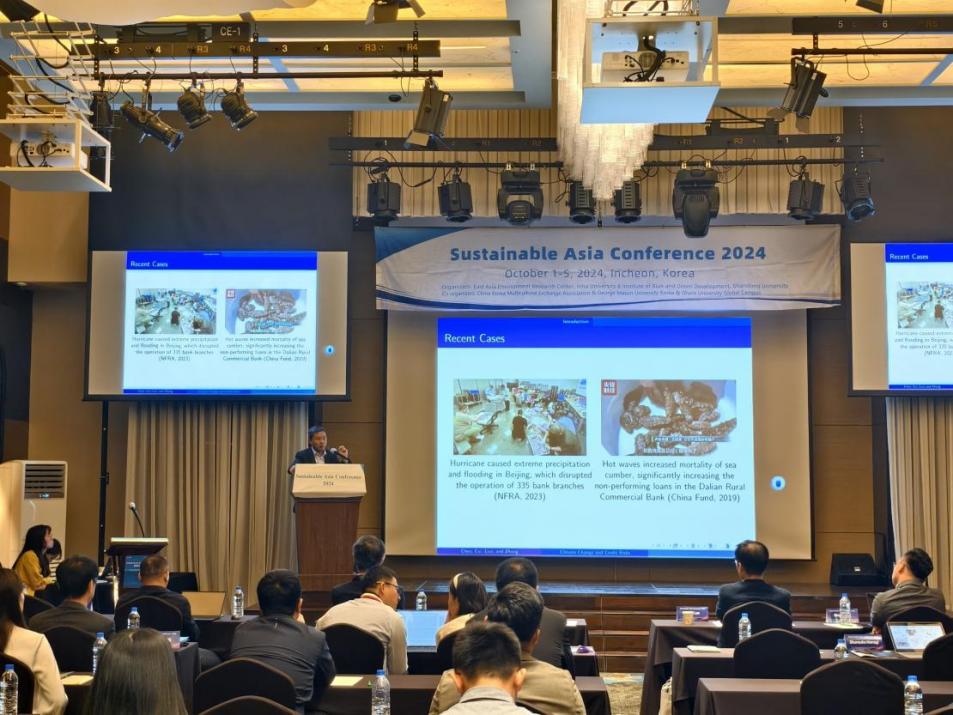
Keynote Speaker: Zhang Junjie
The latest research by Professor Zhang Bing from Nanjing University of Finance and Economics explored how enterprises can improve their environmental management and environmental performance by publicly disclosing environmental information. This research provides theoretical support for promoting corporate transparency and enhancing environmental responsibility awareness, and also brings new insights into global environmental governance and sustainable development practices.
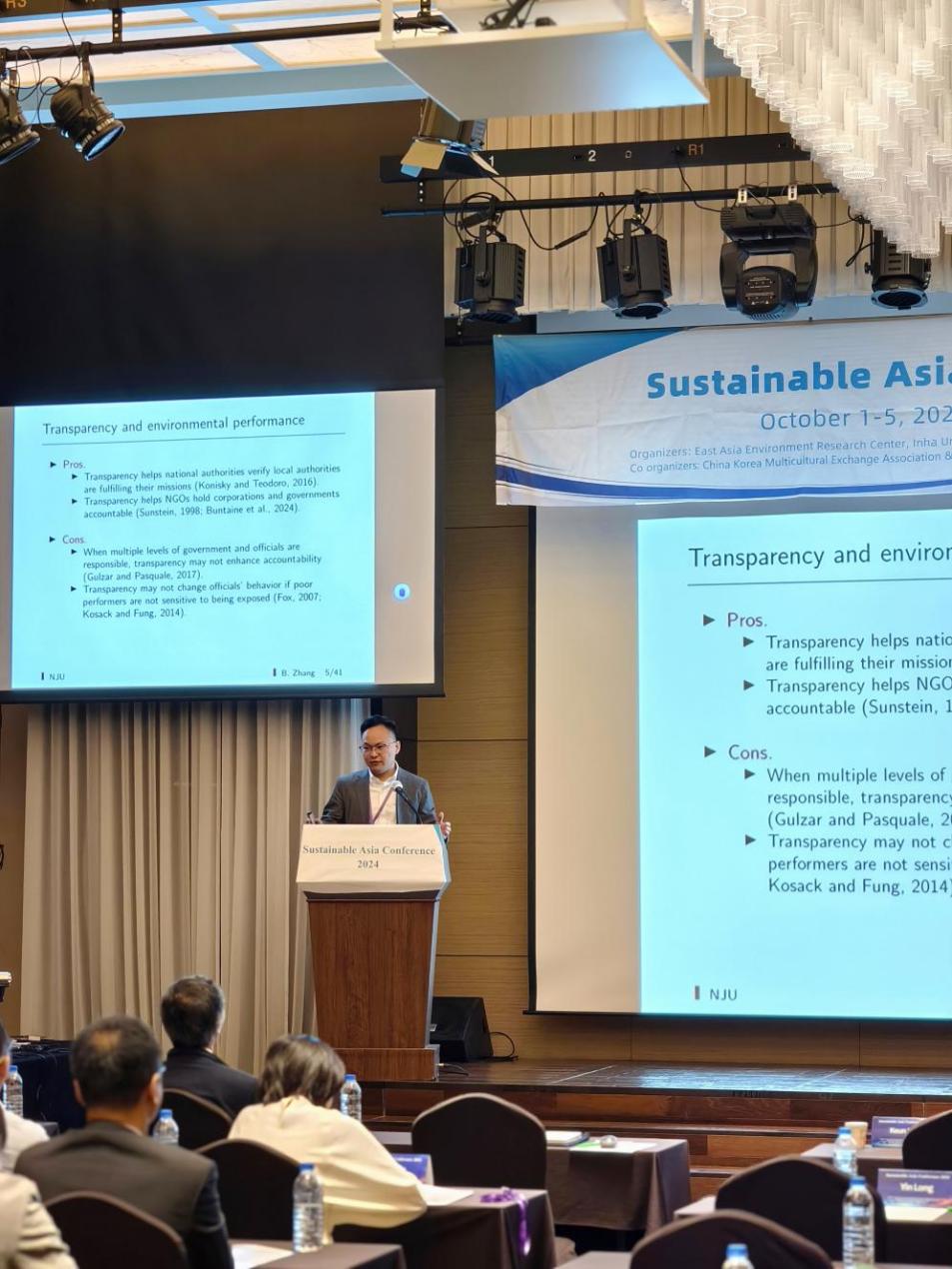
Keynote Speaker: Zhang Bing
Professor Chen Bin from Beijing Normal University focused on data-driven research on urban flood risk prevention and control and ecological restoration capabilities. His research uses advanced data analysis technology to improve cities’ defense capabilities against flood disasters and enhance the resilience of ecosystems. This work is particularly important against the backdrop of frequent extreme weather events caused by global climate change, as it provides a scientific basis for urban planners and policymakers to help improve cities’ sustainable development capabilities and emergency response efficiency.
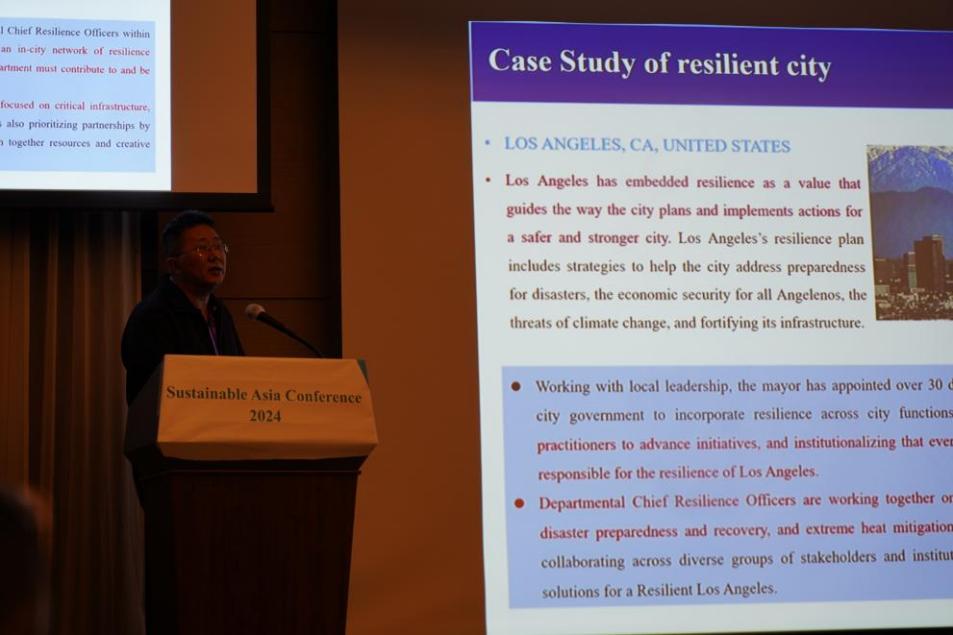
Keynote Speaker: Chen Bin
Professor He Guojun from the University of Hong Kong has long been committed to research on ecological restoration and sustainable development. In his recent research China's Ecological Restoration: Evidence from the Last 20 Years, he reviewed China’s remarkable achievements in the field of ecological restoration over the past two decades, demonstrated the profound impact of policies on ecological environment improvement through empirical data, pointed out that forest restoration is one of the effective strategies to address climate change, and emphasized China’s key position in global biodiversity conservation. Professor He Guojun’s work provides a valuable scientific basis for global ecological restoration policies and offers important references and guidance for global environmental policymakers.
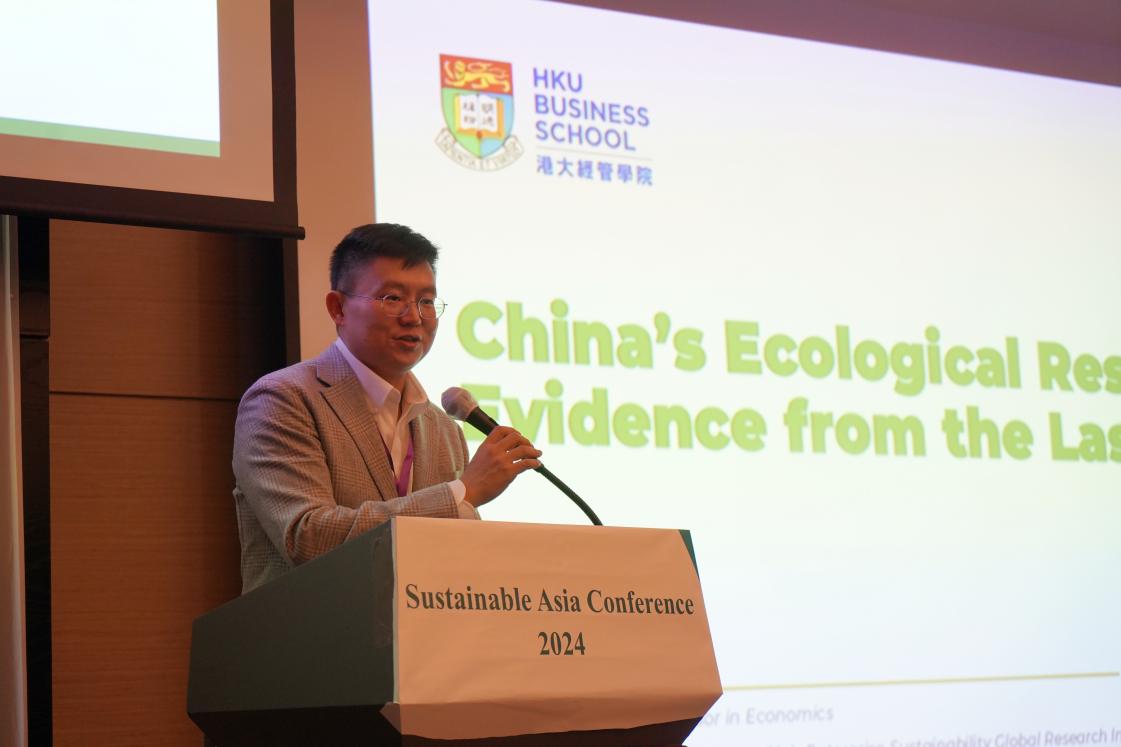
Keynote Speaker: He Guojun
Professor Shunsuke Managi from Kyushu University focuses his research on financial solutions for wealth and sustainability, exploring how to promote the transformation of the global economy towards sustainable development through innovative financial mechanisms and policy design. This research provides valuable academic support for global efforts to address challenges such as climate change, resource depletion, and environmental pollution. His research not only promotes people’s understanding of sustainable finance but also provides a scientific basis for policymakers in various countries to help balance sustainable development and economic growth.
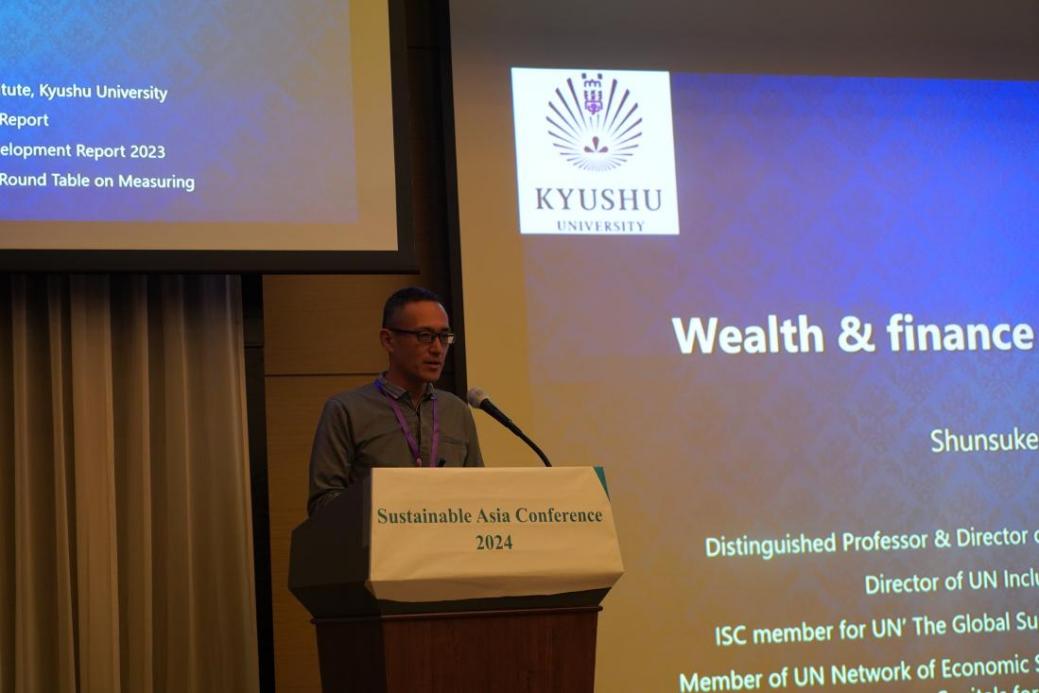
Keynote Speaker: Shunsuke Managi
Professor Choi Yongrok from Inha University is a well-known scholar focusing on Emissions Trading Systems (ETS) and climate policies. In his latest research, Professor Choi explored the fragile prospects and major challenges faced by South Korea’s and global emissions trading systems. His research analyzes the potential and limitations of ETS in promoting emission reduction and addressing climate change, points out the complexity in policy implementation, and highlights the need for global cooperation in this field. Professor Choi Yongrok’s work provides profound insights for the formulation of global environmental policies and market mechanisms, helping policymakers better understand and address the challenges brought by climate change.
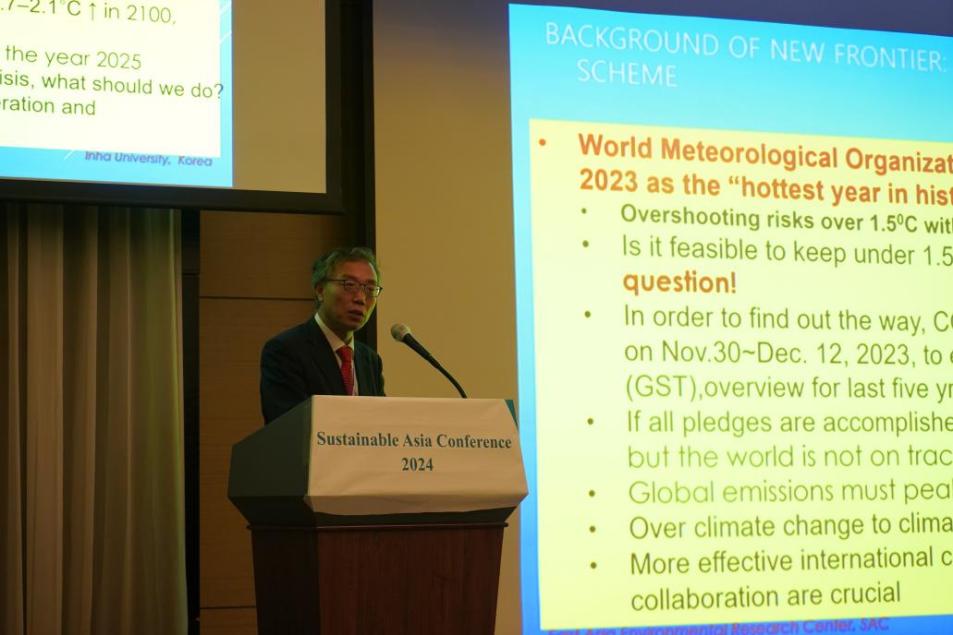
Keynote Speaker: Choi Yongrok
Professor Long Yin from the University of Tokyo focuses on research such as the quantification of consumption-side carbon emissions and emission reduction models, and the transformation of household sustainable diets. Her latest research explores the interaction between sustainability, affordability, and consumer preferences in dietary transitions, aiming to promote the transformation of the global food system towards a healthier and more environmentally friendly direction. Professor Long Yin’s research provides a scientific basis for how to ensure food sustainability while meeting the economic affordability and dietary preferences of the public, offering valuable suggestions for policymakers to help promote the optimization and sustainable development of the global dietary structure.
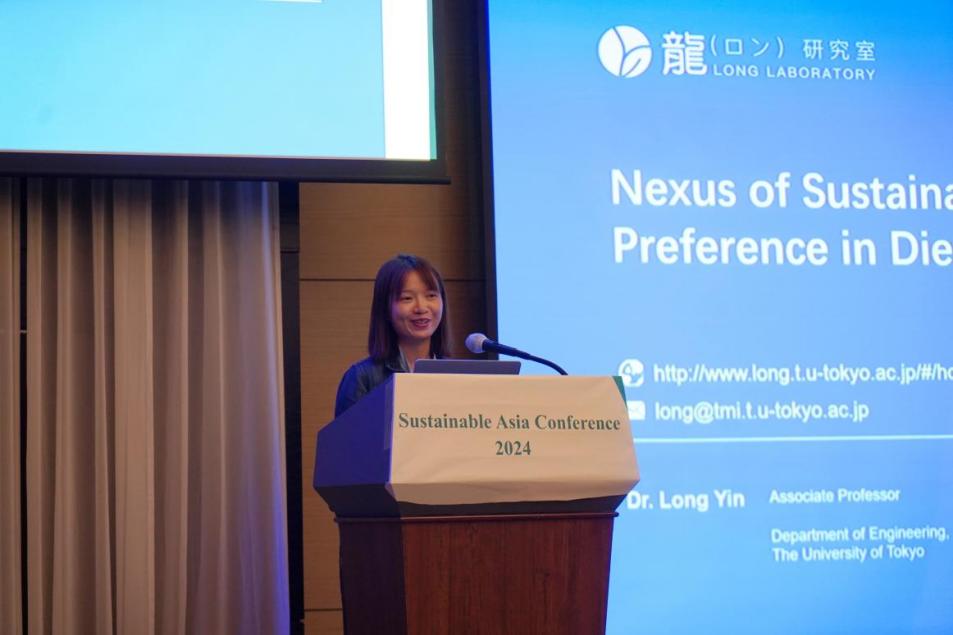
Keynote Speaker: Long Yin
At this forum, Dr. Xia Yang, Senior Editor of Nature, delivered a speech titled Demystifying Publishing in Top-tier Journals, sharing the characteristics of top-tier journals and key points for paper writing from both macro and micro perspectives. She introduced the four core characteristics of Nature: quality, efficiency, independence, and consistency, and explained in detail the different article types in the journal and their writing requirements. Through multiple research cases, Dr. Xia presented hot topics in fields such as climate change and environmental policies. From a micro perspective, Dr. Xia summarized the three major principles for writing papers in top journals: innovative storytelling, classic arguments, and professional language, and emphasized the writing process from topic selection to multiple revisions. She also introduced the paper submission process from an editor’s perspective and encouraged teachers and students to actively submit high-quality papers. This effectively helped scholars understand how to publish papers in top journals and provided participants with valuable experience to improve their scientific writing and submission skills.
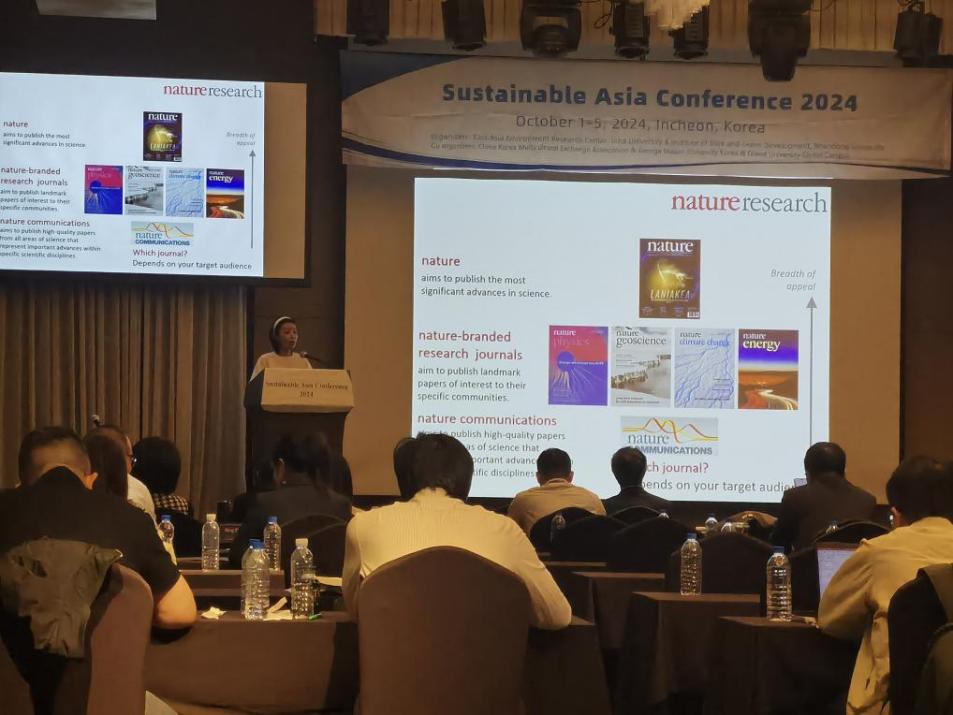
Keynote Speaker: Xia Yang
Professor Xu Ming from Tsinghua University delivered a keynote speech titled AI-powered Carbon Footprint Data Infrastructure in China, introducing how to use artificial intelligence technology to build China’s carbon footprint data infrastructure. This system aims to enhance carbon emission monitoring and management capabilities, support the achievement of carbon neutrality goals, and also provide new ideas for global carbon management.
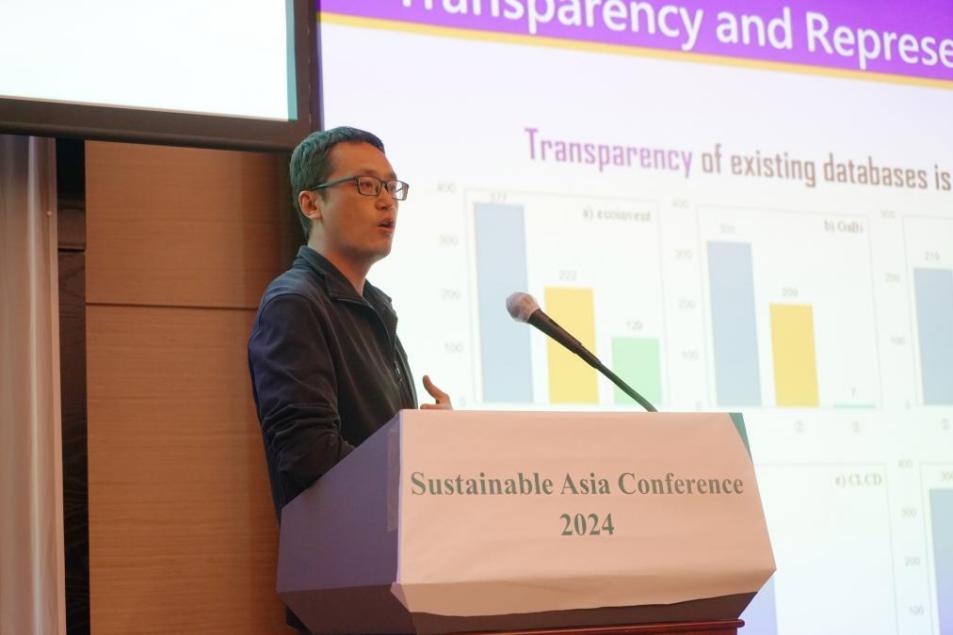
Keynote Speaker: Xu Ming
Editor Forum (Round-table Meeting)
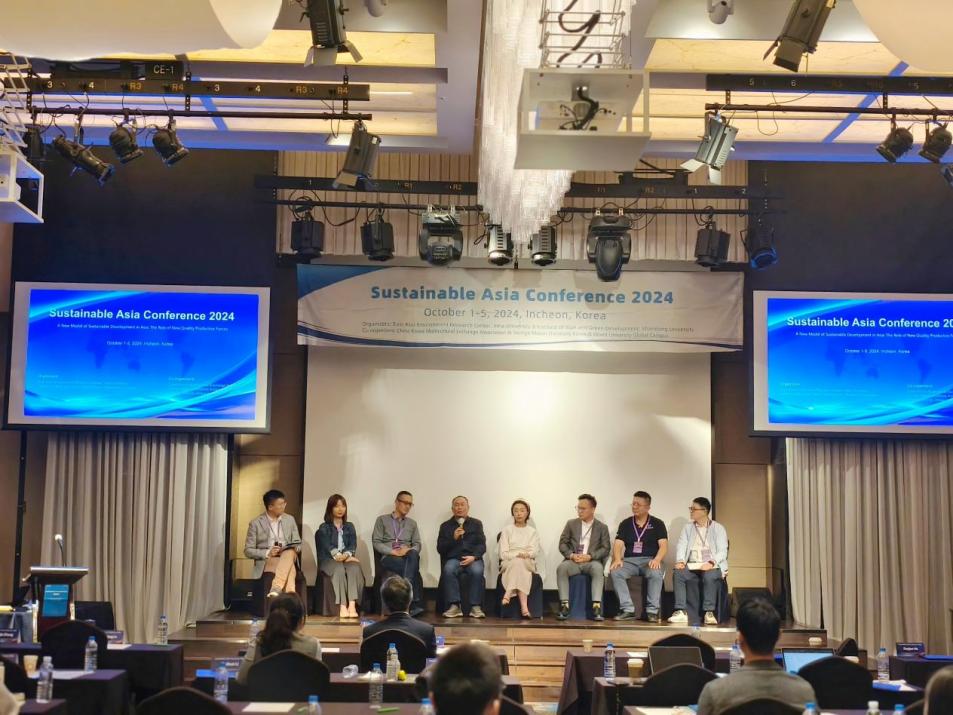
On the afternoon of October 2, editors-in-chief of several top journals gathered for an editorial round-table meeting hosted by Professor He Guojun. The meeting invited key journal editors from various fields to share experiences and suggestions on paper submission with young scholars. A number of academic journal editors attended and delivered speeches, including Professor He Guojun (Co-Editor-in-Chief of Journal of Environmental Economics and Management), Professor Long Yin (Associate Editor of Global Environmental Change), Dr. Xia Yang (Senior Academic Editor of Nature), Professor Zhang Bing (Editor-in-Chief of Environmental and Resources Economics), Professor Shunsuke Managi (Editor-in-Chief of Environmental Economic and Policy Studies), Professor Lyu Yonglong (Associate Editor of Science Advances), Professor Chen Bin (Editor of Energy, Ecology and Environment), and Professor Li Jiashuo (Editor of Fundamental Research). They conducted in-depth discussions on how to improve the international influence of papers and put forward suggestions for researchers on paper publication, such as focusing closely on the theme, avoiding arbitrary use of Chinese-specific terms, and attaching importance to methods and figures/tables.
This editorial round-table meeting provided global scholars with an opportunity to gain in-depth understanding of academic publishing and research trends, promoted exchanges and cooperation between different disciplines, and pointed out the direction for future sustainable development research.
Parallel Forum Presentations
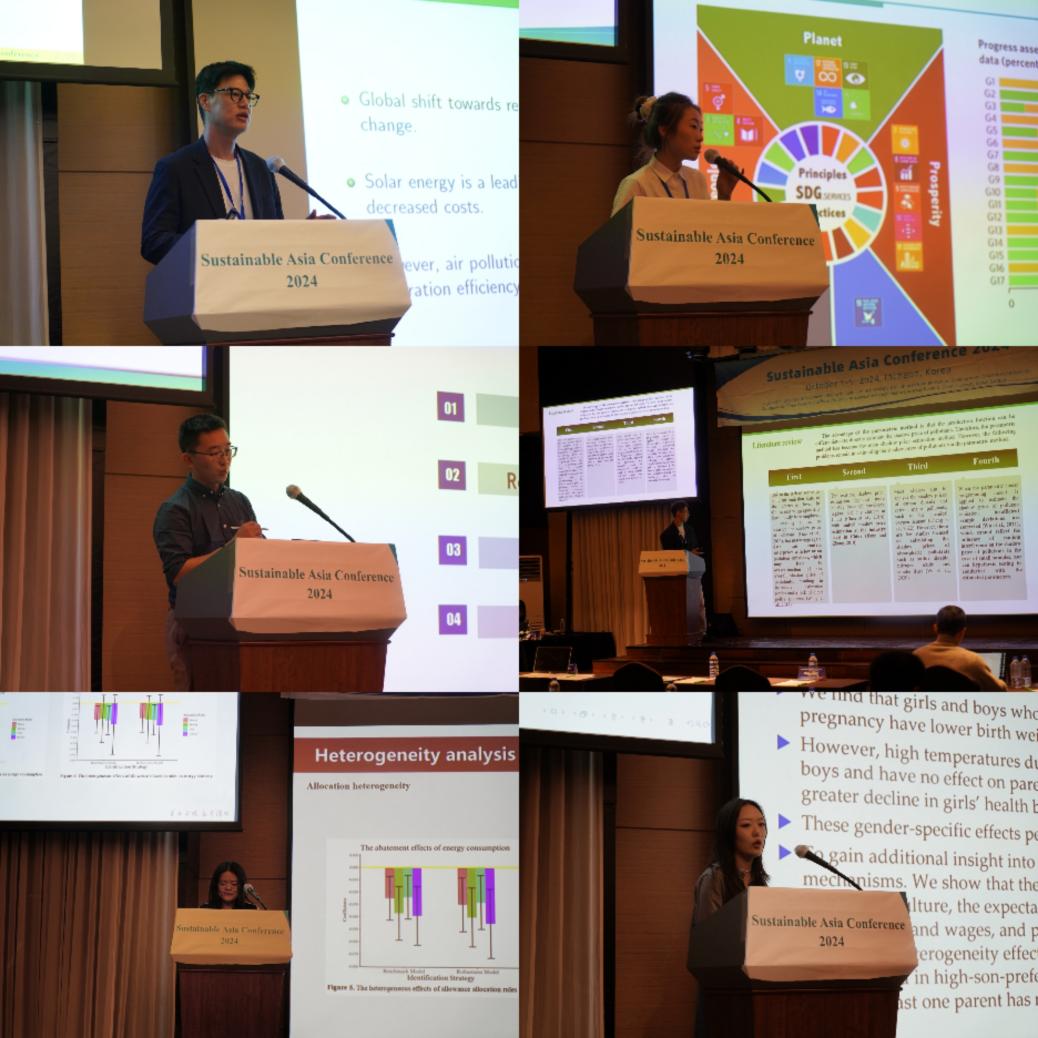
On October 3, a number of scholars from well-known universities and research institutions around the world gave wonderful academic sharing. The parallel forums covered multiple presentation themes, with content ranging from carbon footprint management, clean energy, green supply chains, agricultural sustainable development, fintech innovation, green finance, energy transition, to policy evaluation. Assistant Professor Moon Joon Kim from George Mason University, Lecturer Liu Shumin from Guangdong University of Foreign Studies, Associate Researcher Xu Xiangbo from the Institute of Geographic Sciences and Natural Resources Research of the Chinese Academy of Sciences, Associate Researcher Liu Yishuang from Wuhan University, and PhD student Luo Yi from Wuhan University conducted a series of in-depth studies on the theme of "Air Pollution and Environmental Regulation". Associate Professor Meng Fanxin from Beijing Normal University, Lecturer Shao Wei from Nanjing University of Finance and Economics, and PhD student Yao Xinyu from Chung-Ang University (South Korea) jointly discussed issues in fields such as sustainable cities, economic vitality evaluation, and green logistics technology. PhD student Yin Guoen from Beijing Institute of Technology, PhD student Chen Yinna from Huazhong University of Science and Technology, and PhD student Chen Chen from Beijing Forestry University gave wonderful sharing on photovoltaic power generation, carbon emission trading, shadow prices, and governance costs respectively. PhD student Zhang Tingyu, Yuan Xi, Li Zhibo from Southeast University, Master’s student Chen Yiming from the University of Chinese Academy of Social Sciences, and Master’s student Xie Yuchuan from the School of Economics of Huazhong University of Science and Technology focused their research on corporate green management, emotions and stock price fluctuations, China’s wind energy development, geopolitical risks, and poverty issues respectively. PhD students Chen Huan, Zhao Tianzhen, and Li Man from Shandong University successively shared their research on the gender differences in the impact of high temperatures on human capital, the impact of energy use rights trading, and the marine economy.
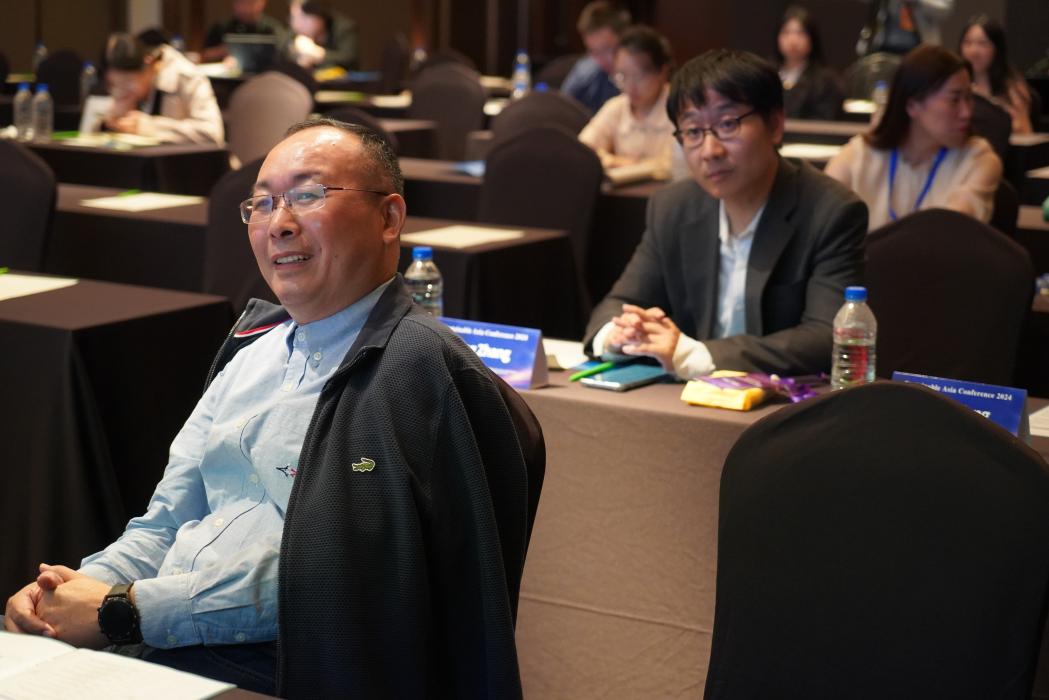
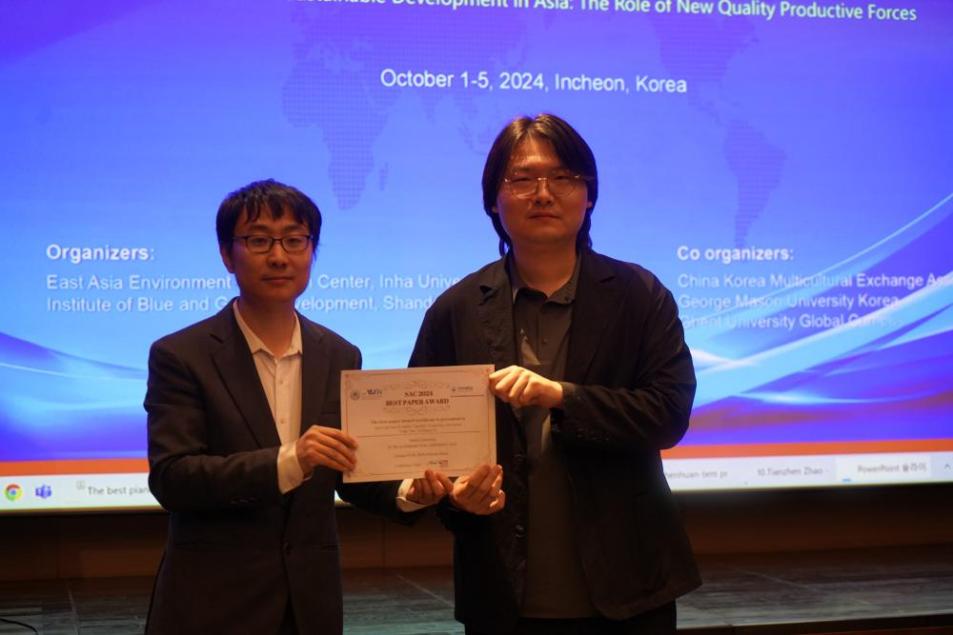
Scholars conducted lively discussions and exchanges. During the conference award ceremony, Assistant Professor Moon Joon Kim from George Mason University and Associate Researcher Liu Yishuang from Wuhan University won the Best Paper Awards presented by the conference. This forum provided participants with a diversified academic exchange platform, and the research of all scholars contributed valuable academic perspectives and innovative solutions to global sustainable development and environmental protection issues.
Field Visit Activities
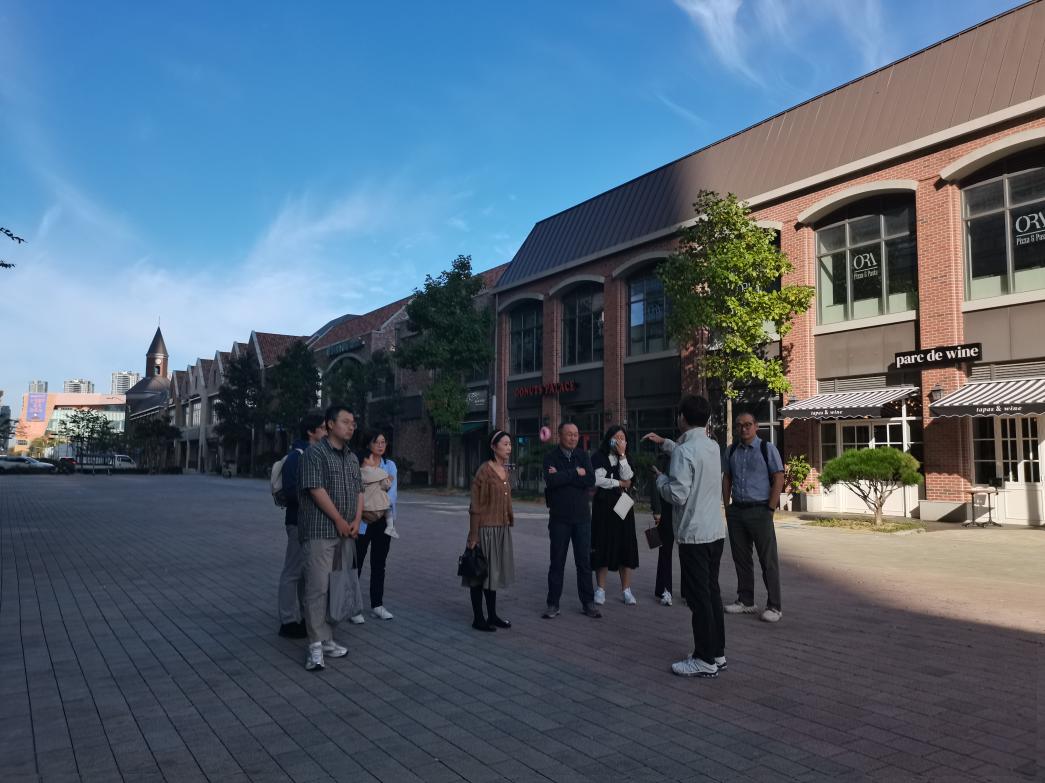
The conference also organized rich field visit activities. On the morning of October 4, participants visited the campus of Incheon Global University (SUNY), followed by a visit to the headquarters of the Green Climate Fund (GCF) in Songdo to gain an in-depth understanding of the global operation mechanism of climate finance. The afternoon itinerary included a visit to the Suyeong Ecological Park, where waste treatment and energy conversion facilities and their application in environmental technology were demonstrated. Subsequently, participants visited the Incheon Open Port Area, Incheon Landing Memorial Hall, Chinatown, and other sustainable communities to discuss how these regions promote green development and community sustainable construction. In the evening, participants enjoyed a traditional Korean dinner in Incheon and explored the local culture on their own.
On October 5, the morning itinerary started with Gyeongbokgung Palace, where participants learned about and visited Seoul’s sustainable landscape design and the South Korean Presidential Office "Cheong Wa Dae" for relevant research visits. In the afternoon, participants went to Seoul National University for a visit to in-depth discuss the role of academia in sustainable development. Afterwards, they visited Samsung to learn about its cutting-edge practices in sustainable development and corporate social responsibility. Immediately after, participants inspected the environmental management work of Cheonggyecheon and conducted sustainable business research in Dongdaemun to further explore innovative cases of Seoul in sustainable economy and business practices.
Conclusion
The 2024 Asia Sustainable Development Forum concluded successfully. Through rich academic exchanges, policy discussions, and field visits, the conference demonstrated the innovative practices and outstanding achievements of Asian countries in promoting sustainable development, addressing climate change, and advancing the transformation to a green economy. Participants in-depth discussed cutting-edge topics in multiple fields, from carbon emission management and energy efficiency improvement to corporate sustainable development, and gained valuable experience from the field visits in Incheon and Seoul.
This forum not only provided a platform for communication and cooperation among global scholars, policymakers, and industry leaders but also laid a solid foundation for further research and practice in the field of sustainable development in the future. The successful holding of the forum demonstrates Asia’s leading role in the global sustainable development agenda, and continuous cooperation in the future will surely inject new impetus into global efforts to address climate change and promote sustainable development.


 Address: No. 180 Wenhua West Road, Weihai City, Shandong Province, China
 Tel:+86-0631-5688246
 Email: whqyy@sdu.edu.cn

